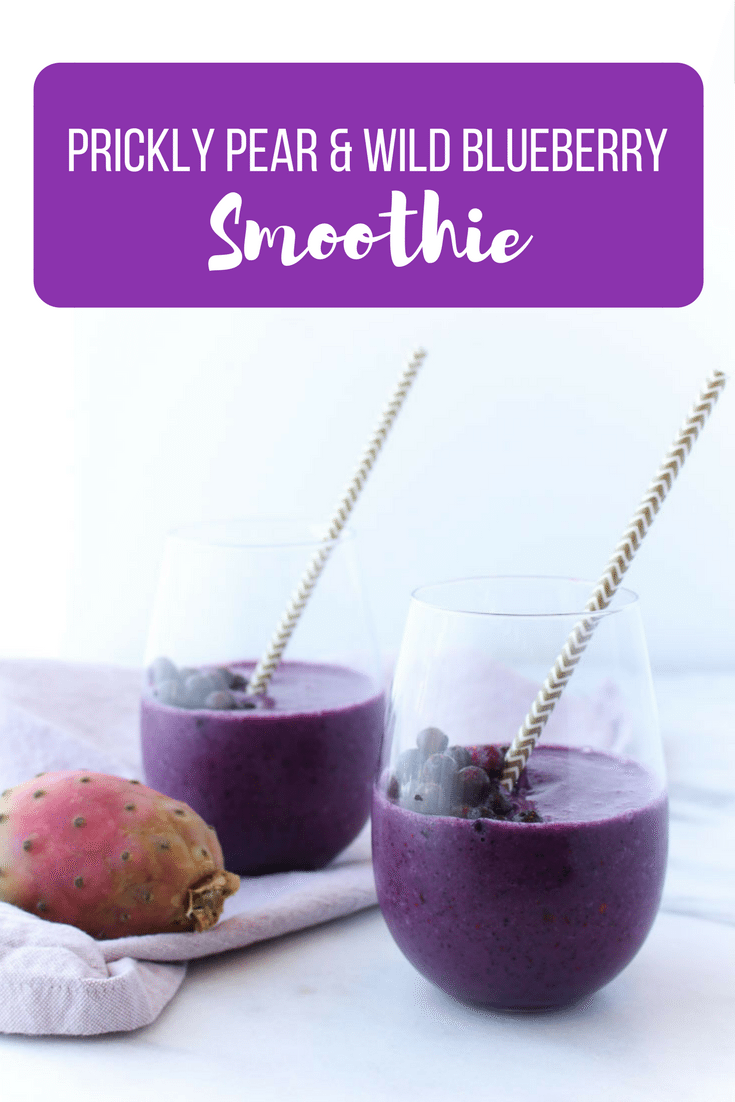
Start your morning with a simple smoothie with an exotic twist. The mix of prickly pear and wild blueberries adds a burst of flavor while packing in antioxidants to start your morning off right. Disclosure: By posting this recipe I am entering a recipe contest sponsored by the Wild Blueberry Association of North America and I am eligible to win prizes associated with the contest. I was not compensated for my time.
Did you know there are two different kinds of blueberries? The two different varieties are regular, cultivated blueberries and Wild Blueberries. While they may have a few similar qualities, they are quite different.
Wild Blueberries have a more intense flavor than regular blueberries. Wild Blueberry plants grow wild and are genetically diverse with thousands of interlocking plants spreading naturally across fields called barrens. It’s this diversity that gives Wild Blueberries their complex and delicious flavor — an extraordinary mix of tart and sweet. I wanted to highlight Wild Blueberries’ unique flavor profile with another unique fruit – prickly pear! I was recently asked what my strategies were to add plenty of produce into my daily eating habits. My response was, make it fun! Try adding unique and exotic new produce to your regular routine so it never gets boring.
An item like Wild Blueberries, you won’t find in the fresh produce section. You can find Wild Blueberries in the frozen fruit section of your local grocery store; just make sure the package says “Wild”. The Wild Blueberry crop (99% of it) is frozen. These potent little berries are individually quick-frozen (IQF) at harvest, locking in their nutrition and taste. Wild Blueberries have twice (2x) the antioxidant capacity of larger, cultivated blueberries. A growing body of research shows the potential health benefits of Wild Blueberries including gut health, diabetes, cancer and brain health.
It’s a no-brainer that I now always have Wild Blueberries stashed in my freezer.
This post may contain affiliate links. Read my privacy policy.
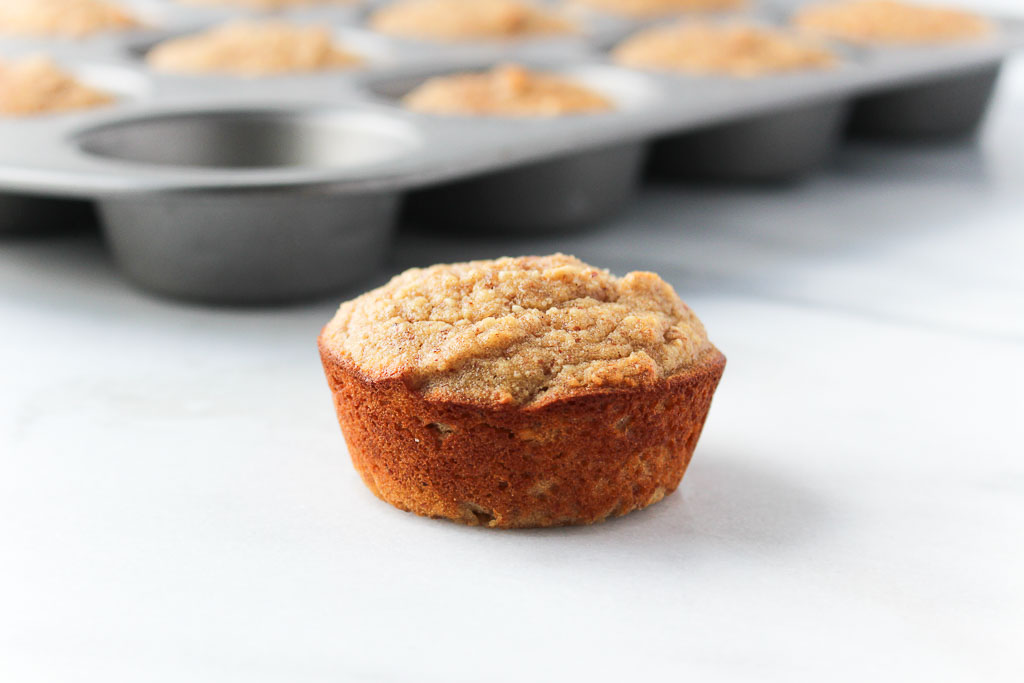
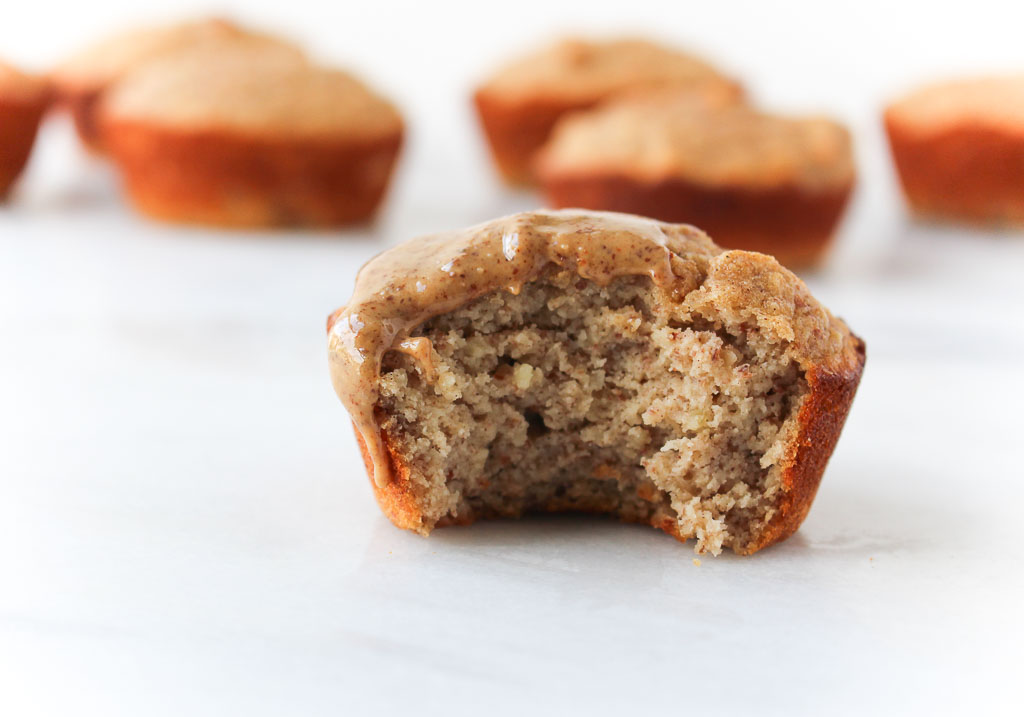
Pair with breakfast or add as a snack, these gluten-free Banana Bread Muffins can fit into any part of your day.
One of the cooking goals that I’ve been working on is working with flour alternatives. There are so many varieties of flours (almond flour, quinoa flour, coconut flour, oat flour, plus so many more!) on the shelves in the grocery store and I’ve been intrigued. Mainly, because I am a food science nerd and I want to learn and understand their baking properties, but also I think many of us are trying to trim back on the amount of refined grains we are consuming (ie. white flour), so it’s been a fun challenge baking with these flour alternatives.
I’ve quickly learned that these alternative flours do not have that perfect 1:1 ratio. FYI, coconut flour sucks up so much moisture. I tried baking cookies with coconut flour and when I picked one up it crumbled right in my hand. Note to self: Add more liquid and maybe pair coconut flour with other flours too. (I’m still working on that recipe!)
I had received a bag of almond flour when I was on the trip with California Almond Board and I feel like it’s been calling my name to bake with it every time I open my pantry and see it.
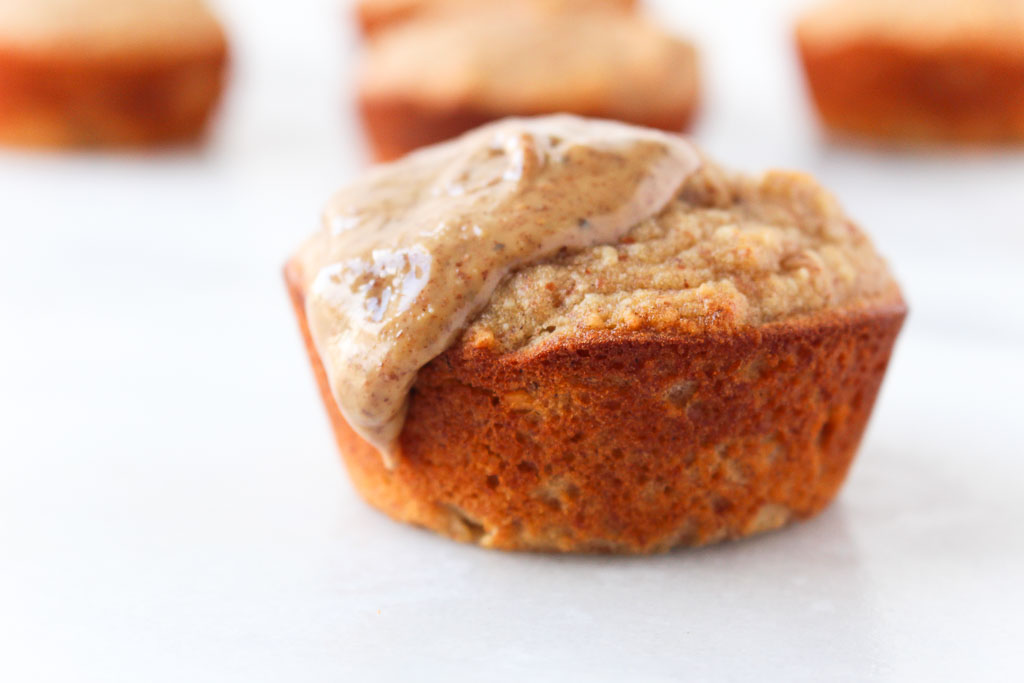
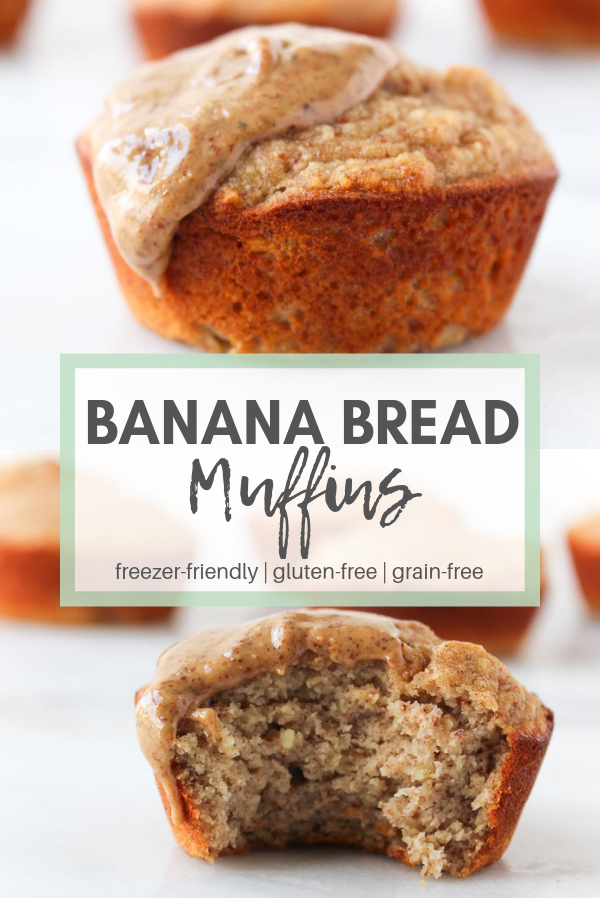
When you have overripe bananas, bake some banana bread muffin.
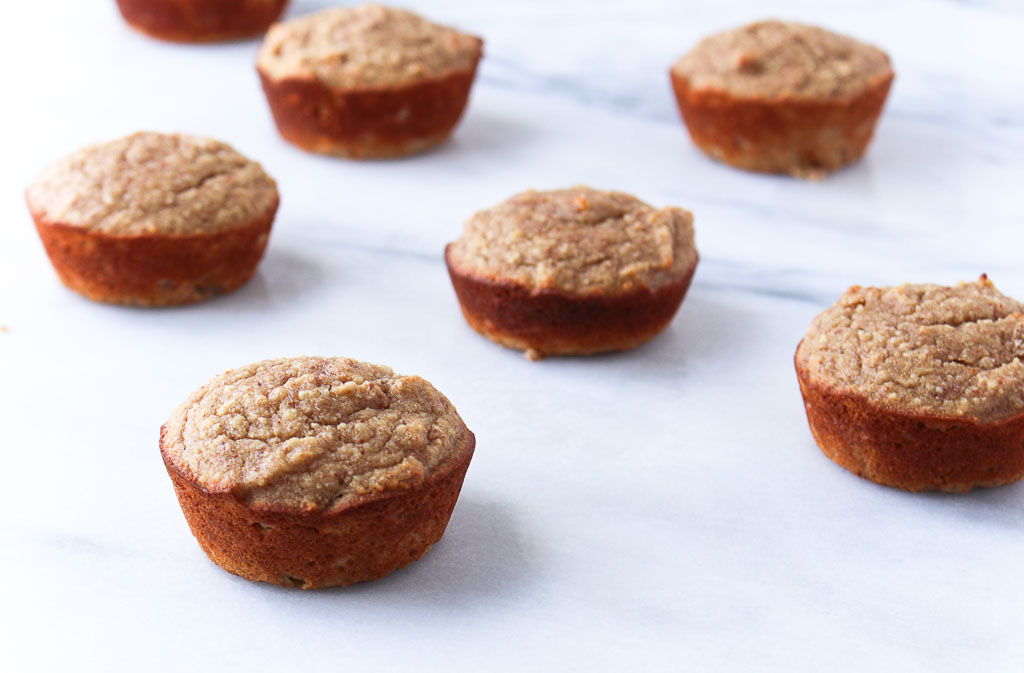
Pair with breakfast or add as a snack, these grain-free Banana Bread Muffins can fit into any part of your day.
Ingredients
Scale
3 eggs
3 bananas
1/3 cup maple syrup
1 tsp vanilla extract
1/3 cup plain Greek yogurt
1 3/4 cup almond flour
1/4 cup coconut flour
1 teaspoon baking powder
11/2 teaspoon cinnamon
1/8 teaspoon salt
Instructions
Preheat oven to 350 degrees F. Spray a muffin tin with cooking spray and set aside.
In a food processor or blender, blend the eggs, bananas, maple syrup, and vanilla extract, until blended through and fluffy (to incorporate air). Pour into a bowl and fold in the yogurt.
In a separate bowl, sift together the almond flour, coconut flour, baking powder, cinnamon, and salt.
Fold wet ingredients into dry and stir until just combined.
Pour muffin batter into muffin tins and bake for 30-35 minutes or until golden brown. (Insert a toothpick into the center of a muffin at they are done when it comes out clean. Center will also spring back when pressed.)
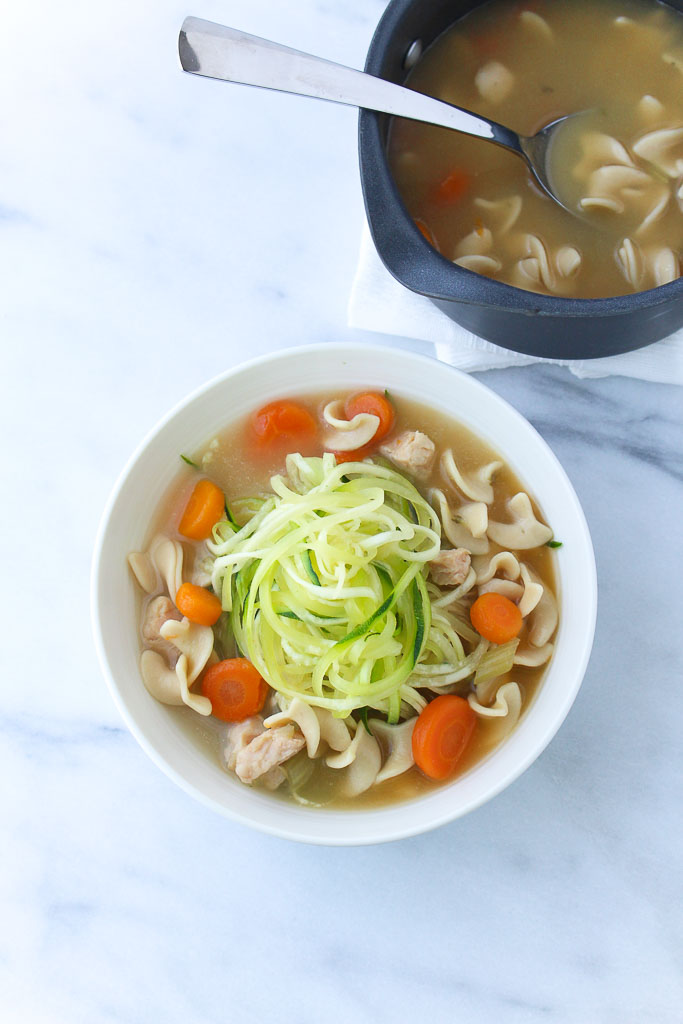
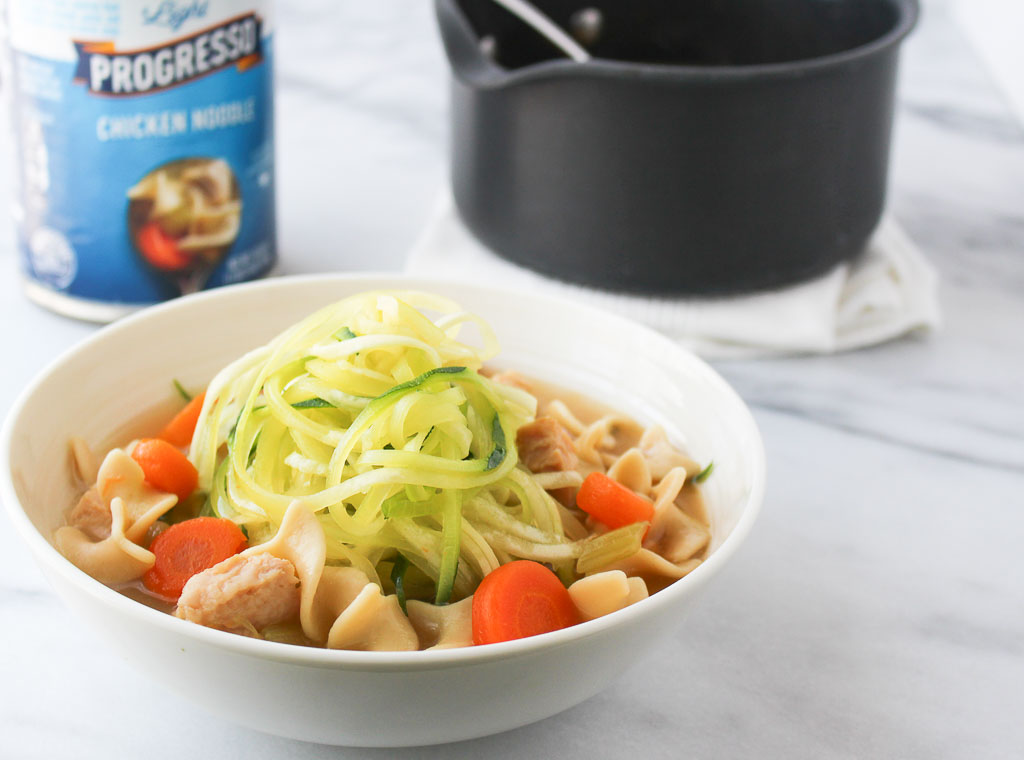
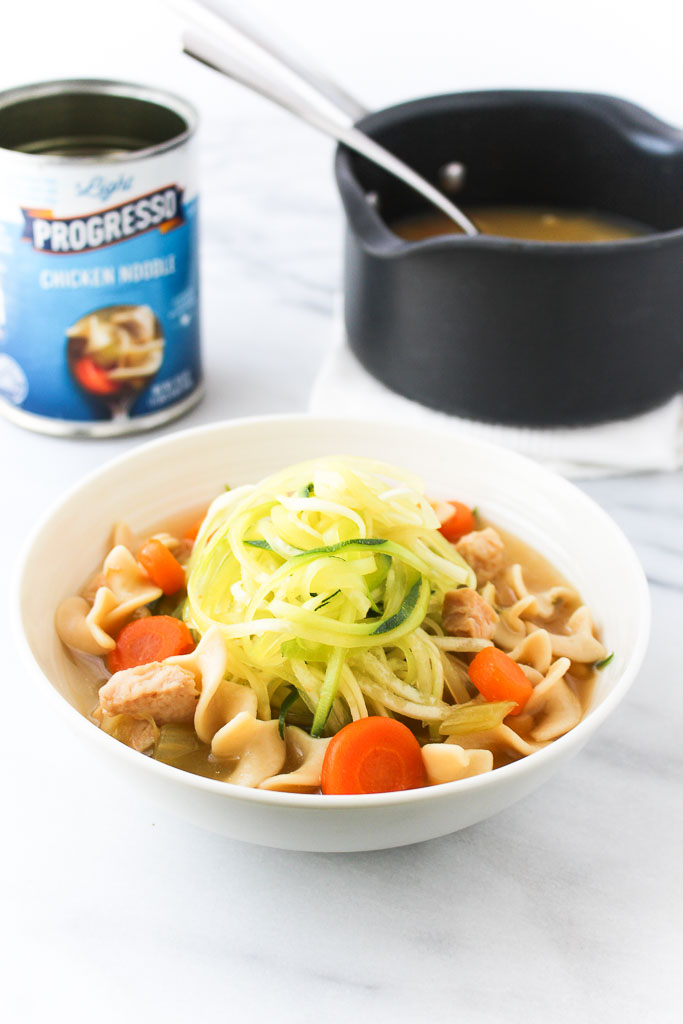
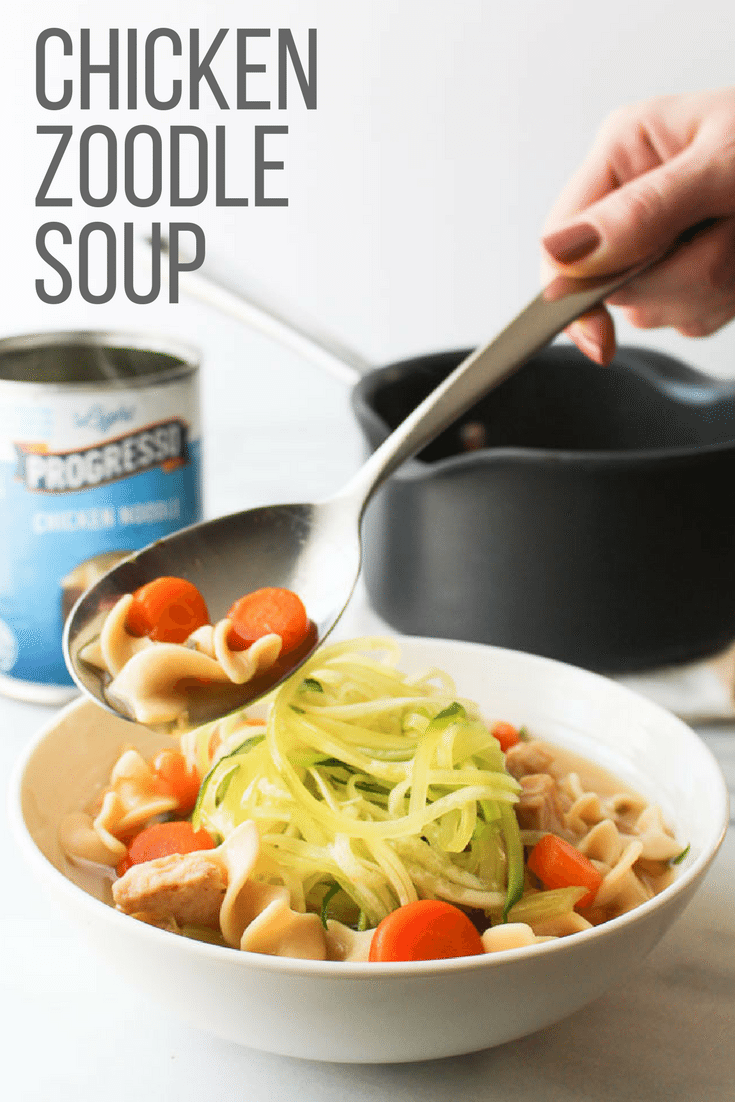
Soups on! Did you know February is Soup Season? I am kicking off Soup Season with this Chicken Zoodle Soup.This post is sponsored by the General Mills Bell Institute of Health and Nutrition on behalf of ProgressoTM and ReganMillerJones, Inc. I received free samples of the soup mentioned and was compensated for my time, but as always, opinions are my own! Thank you for supporting brands that make RDelicious Kitchen possible!
During this time of year, soup becomes almost an everyday staple for me. There is nothing better than cozying up to a warm bowl of soup on a cold winter day. If it is a soup from scratch or from a can or package, my goal is to bump up the veggies. I get a lot of questions about canned soup from clients. Canned soup is quick & easy. It’s convenience in a can! Whether you’re cooking for one or a family, prep a meal in minutes. There is a whole aisle dedicated to just soup at my local grocery store, so it can be challenging to decide which one would be the best choice.
First, check your ingredient list. ProgressoTM is now serving White Meat Chicken With No Antibiotics. Ever! They do not include any artificial colors or flavors.
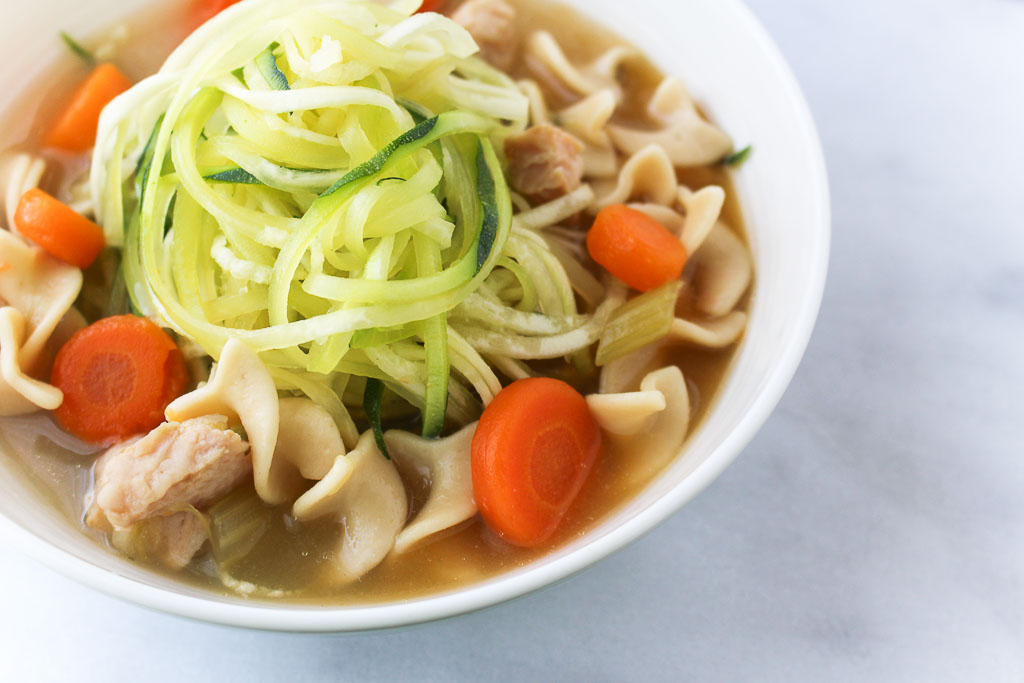
Then, check the serving size. You may be surprised, in a can of soup there is usually more than 1 serving per container. In one can of ProgressoTM Light Chicken Noodle Soup there are 2 servings. By adding zoodles, this one can of soup turned into 4 servings, which now cuts the sodium in half per serving.
Have #SoupYourWay by pairing with zoodles, a side salad, or a sandwich.
By adding more veggies, it adds an extra punch of nutrition and flavor, helps stretch your dollar, which in turn will create more servings to also help lower the sodium content.ProgressoTM is out to prove that “vegetables” and “flavors” can co-exist.
Simply pour the hot soup over the zoodles and enjoy. It can’t get much simpler than that!
If you have leftovers, make sure you are cooling down and storing properly. Leftover soup can last in the refrigerator for three days and up to one month in the freezer. Follow these steps to store soups for later use.
Refrigerators and freezers cannot cool soups quickly enough for food safety protocols. Speed up the cooling process by placing the pot of soup in a bath of ice water in the sink. Stir soup to help release the heat.
Label and date large ziplock plastic bags. To help pour soup in the bag, place bag in the bowl and cuff the bag over the edges. Ladle soup into each bag, let out excess air and seal.
Lay bags flat in a single layer in the freezer. When completely frozen, stack bags to save space in the freezer.
Thaw overnight in the refrigerator. Reheat over medium-low heat, stirring occasionally.
This post may contain affiliate links. Read my privacy policy.
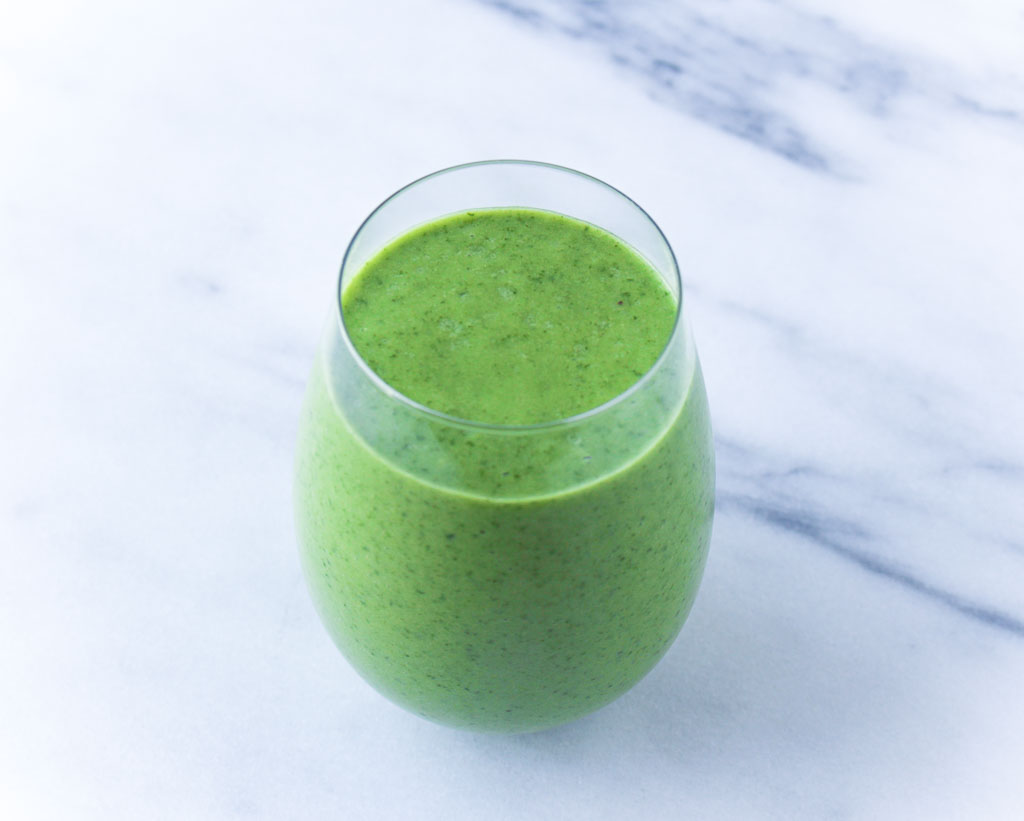
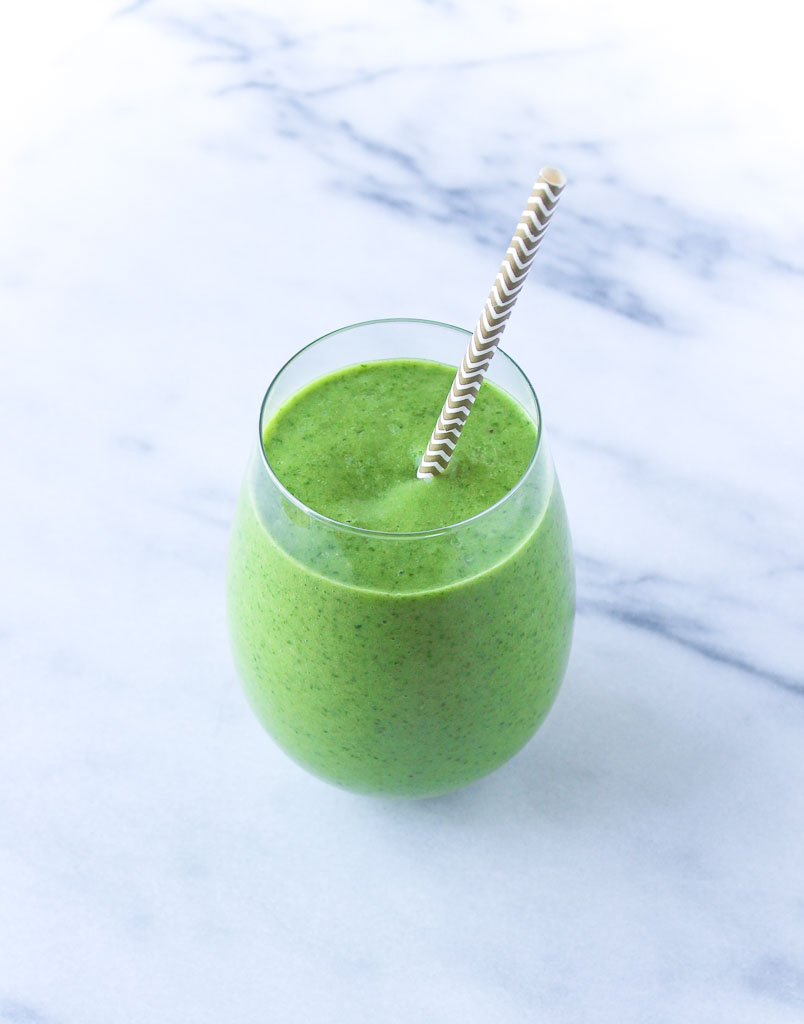
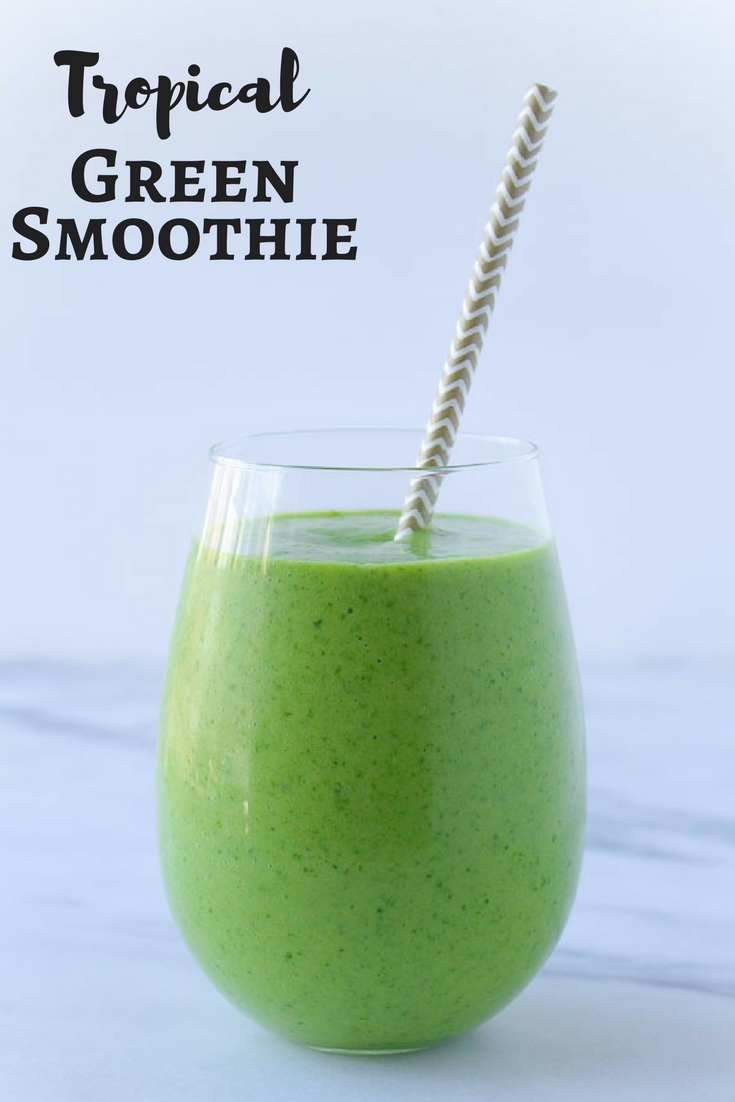
Trying to add more fruits and veggies to your daily eating habits? Add both first thing in the morning with this Tropical Green Smoothie. It’s February 1st – how is everyone doing on their New Year’s Resolutions so far? I saw a funny post on instagram that January was just a “practice round”. The problem setting big resolutions or goals, is you have to refine them in the beginning and make small habit forming changes to help you get to your end goal.
One goal that I have been discussing a lot lately this path month is simply including more fruit and vegetables within meals and snacks. Just simply go back to the basics. Are you really getting in the minimum recommendation of 5 fruits and vegetables a day? If the answer is no, this should be your starting point.
If eating healthier or maintaining a healthy weight is your goal for 2017, start here. Try to add a serving of fruit and/or vegetables at every meal and snack. If you are typically consuming 3 meals and 2 snacks per day (and now you are adding a fruit and/or vegetable to each) – BAM! You just reached the minimum daily recommendation for fruits and vegetables for the day. Smoothies are a fantastic way to add both fruit and vegetables in one meal! The secret to this smoothie is the frozen avocados. Now, of course, you can freeze them yourself, but now Welch’s prepackages them in the frozen aisle. Now, you won’t have to worry about the other portion of your avocado turning too quickly. The frozen avocado makes this smoothie so creamy, almost like a consistency of a milkshake.
This post may contain affiliate links. Read my privacy policy.
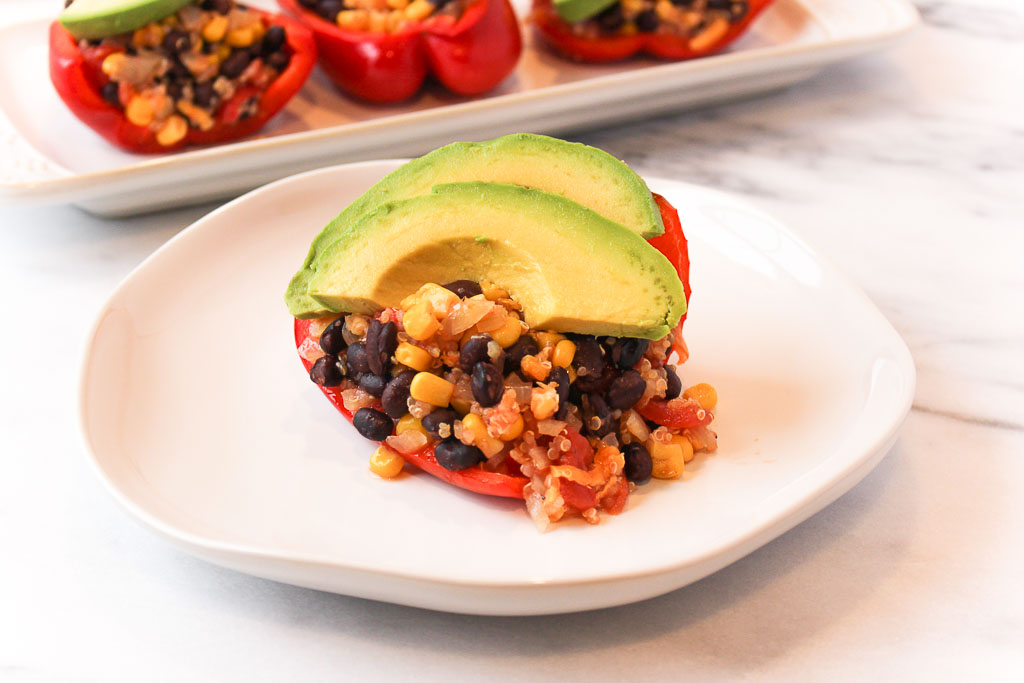
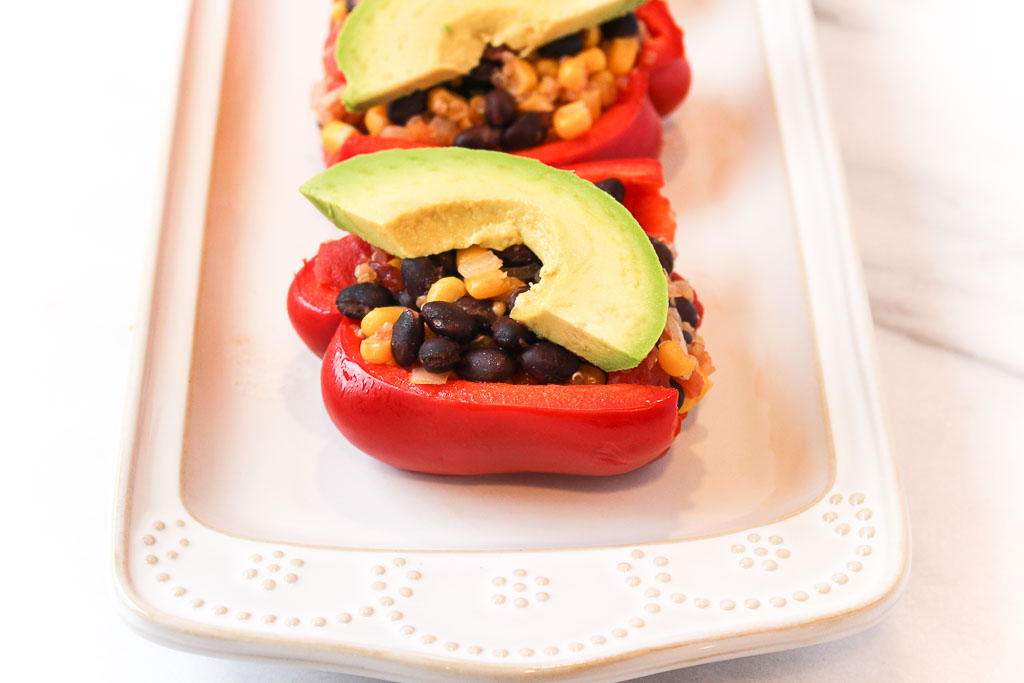
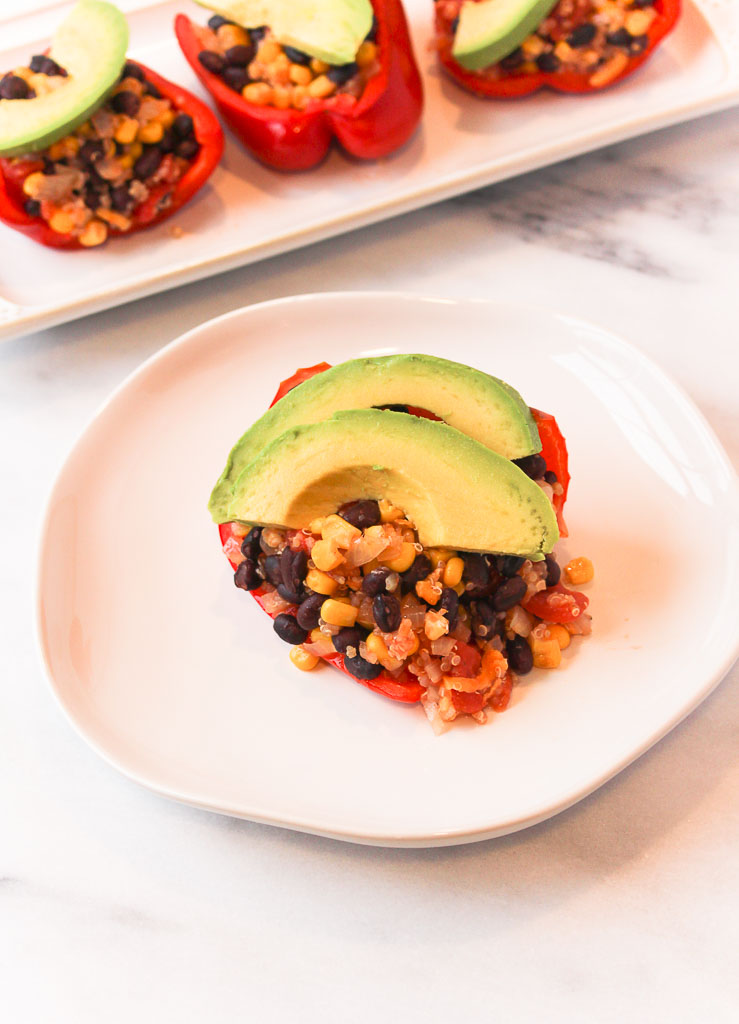
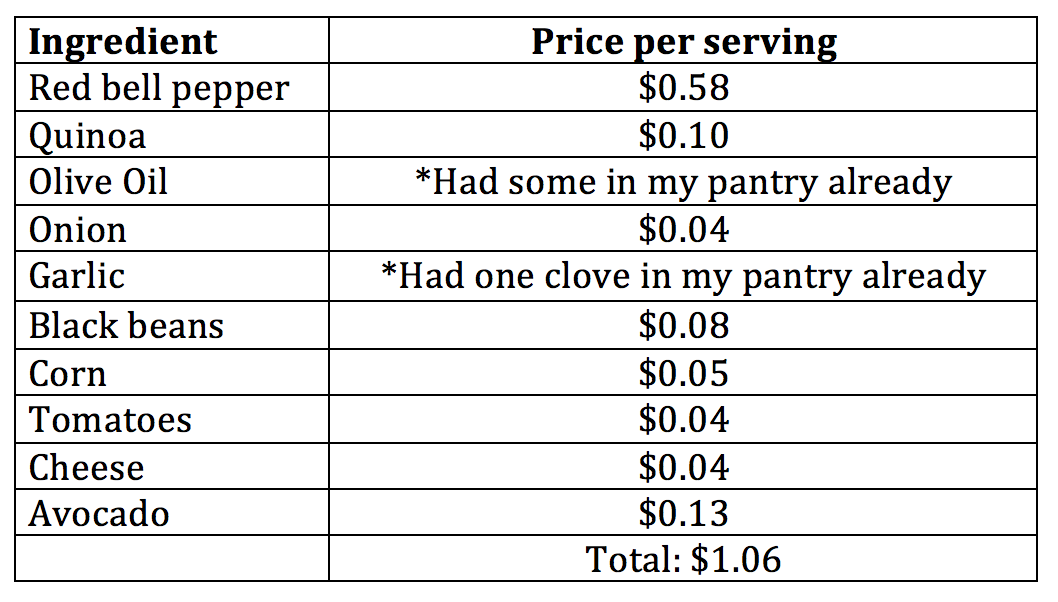
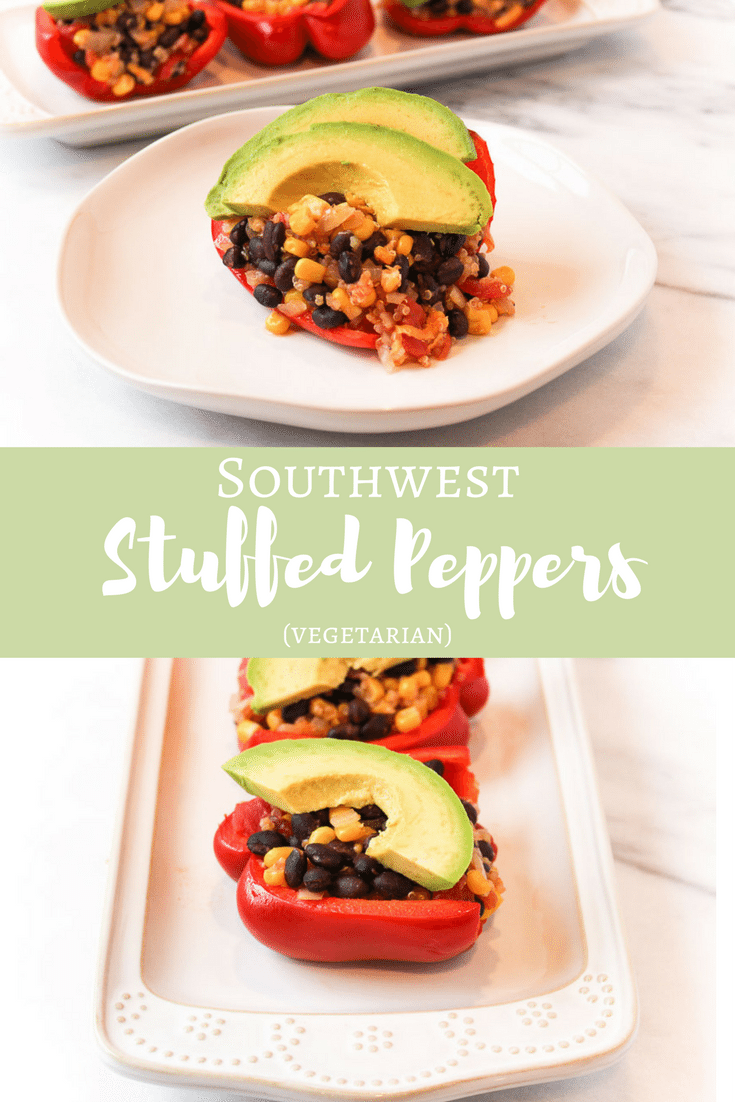
Looking for a budget friendly recipe? You’ve come to the right place. These Southwest Stuffed Peppers will keep your stomach and wallet full coming in at only $1.06 per serving. The Recipe ReDux challenged members to see how low they can go and make a meal for less than $3 per serving.
Did you know that within the top 3 New Year’s resolutions #3 involved finances?
1. Lose Weight/Eat Healthier
2. Life/Self Improvements
3. Better Financial Decisions
Many are looking to make better financial decisions this year, myself included. I was curious to see how much I was actually spending on groceries per month, so I tracked it for the month to see my typical cost on groceries. Being a food blogger and one who weirdly enjoys grocery shopping, when I see new items they tend to creep into my cart. That being said, my monthly grocery spending was a little higher than I thought it would be. Ever since then I’ve been more conscious of my spending when at the grocery store. I loved that this Recipe ReDux theme was this month because I had fun shopping to see how low I can go with the cost per serving. This definitely busts the myth that “healthy eating is expensive”, considering this recipe totals to $1.06 per serving made with healthy and wholesome ingredients.
Here’s the breakdown:
Wondering what I will be doing with those half cans of ingredients? I love being creative with extra ingredients that I have in the fridge. I think this will turn into a burrito bowl.
1/2 (14.5 oz) can no-salt-added diced tomatoes, drained
1/2 cup cheddar cheese, shredded
1/2 avocado, sliced
salt and pepper, to taste
Instructions
Preheat oven to 350 degrees F. Spray a baking sheet with nonstick cooking spray. Slice pepper in half lengthwise, place on baking sheet. Bake for 10 minutes.
Cook quinoa according to package directions.
In a saute pan, heat olive oil over medium-high heat. Add onions, saute until translucent. Add the beans, corn, tomatoes, and cooked quinoa and cook until heated through. Stir in cheese.
Remove peppers from oven and stuff with bean mixture. Bake for an additional 5 minutes.
Remove from oven and top with avocado slices.
Recipe Card powered by
Don’t forget to check out other Recipe ReDux members money-saving recipes!
This post may contain affiliate links. Read my privacy policy.
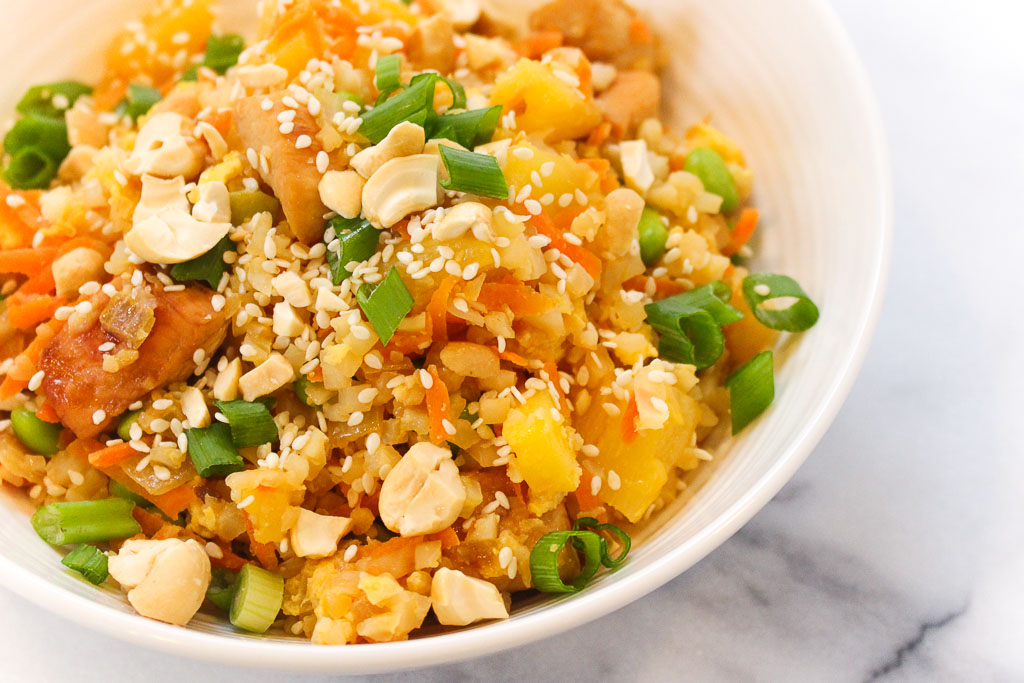
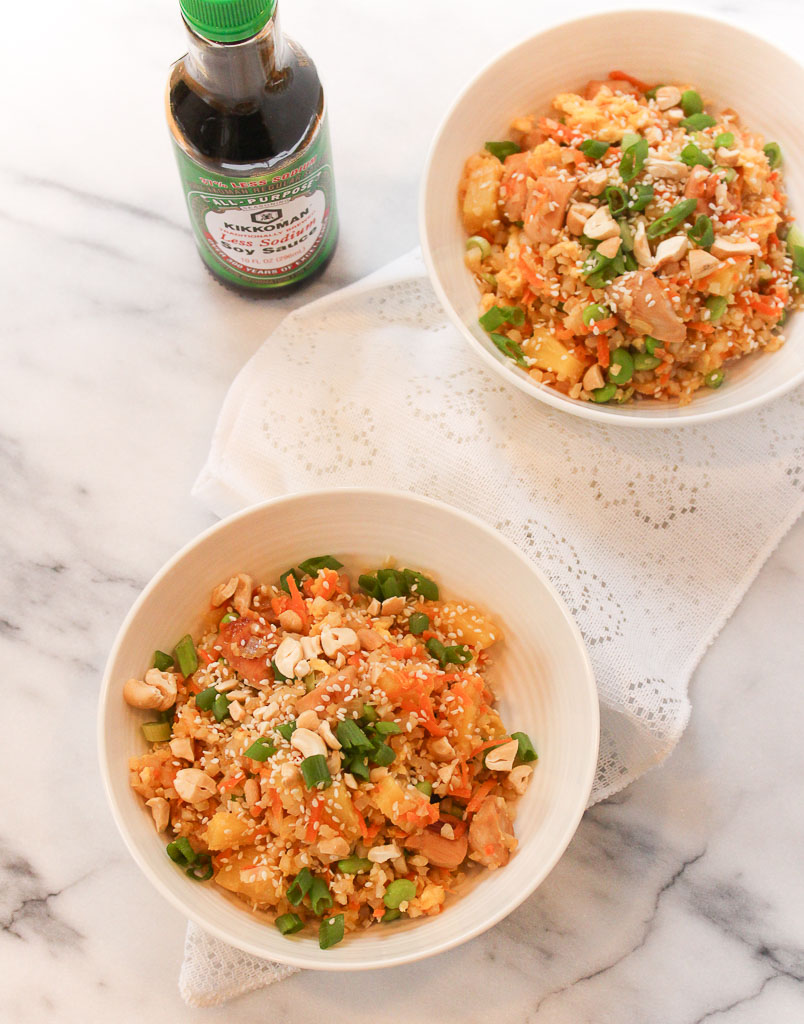
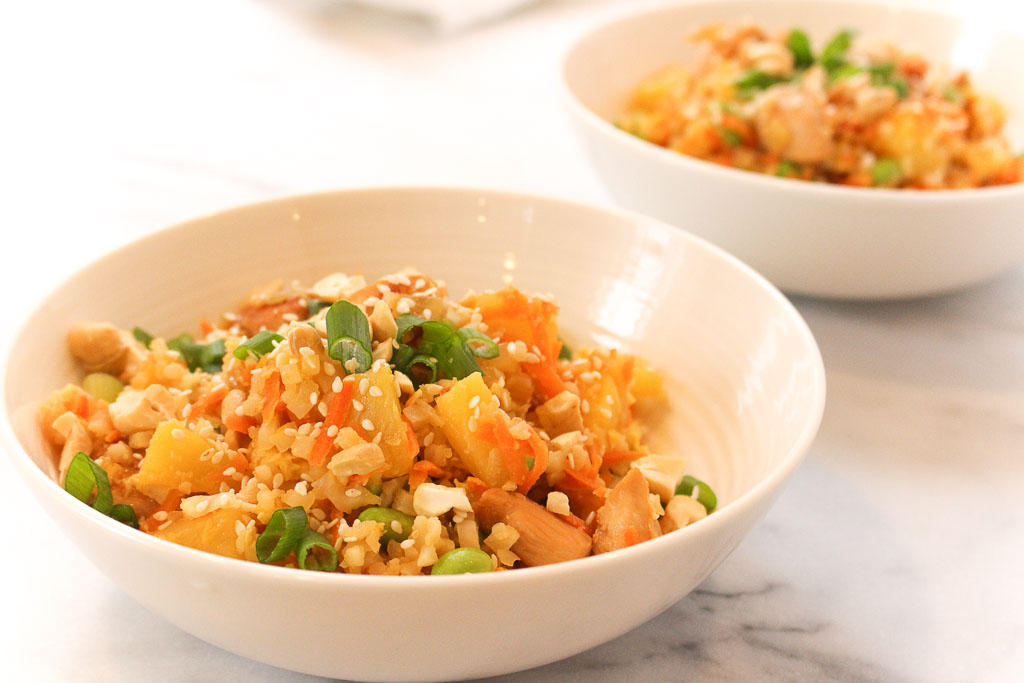
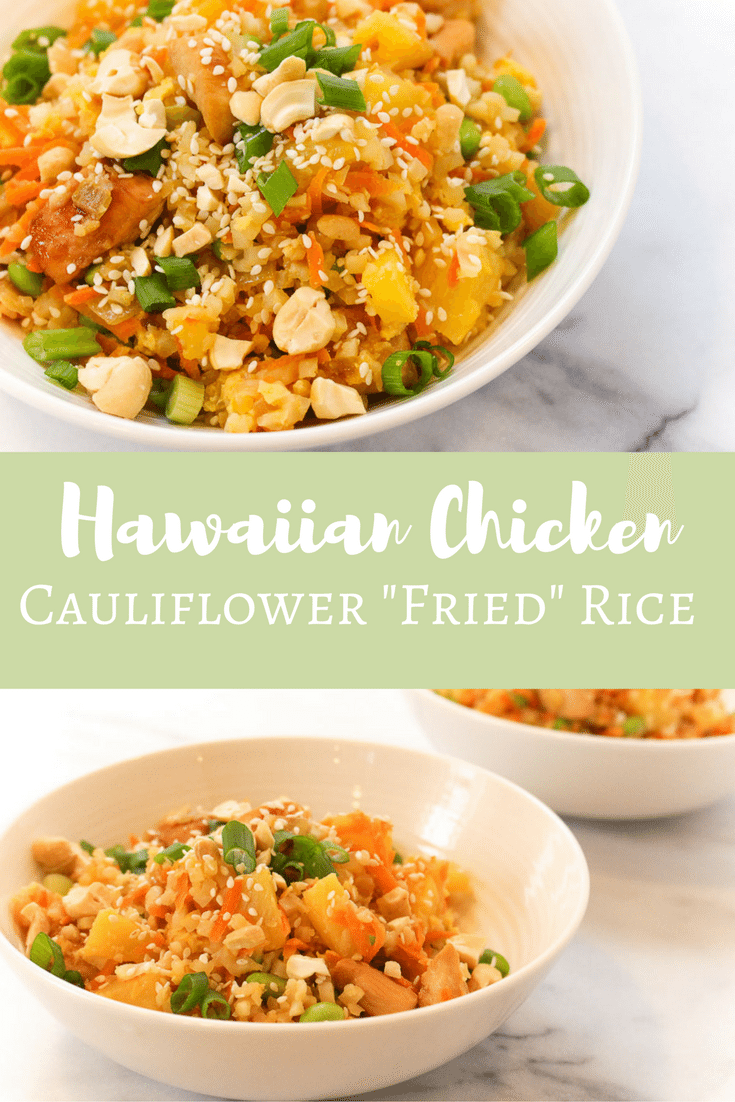
Skip take-out and make your own delicious fried rice, with this healthy twist. Try swapping out rice for cauliflower rice and creating this flavor packed Hawaiian Chicken Cauliflower “Fried” Rice. I received a free sample of Kikkoman soy sauce mentioned in this post. By posting this recipe I am entering a recipe contest sponsored by Kikkoman and am eligible to win prizes associated with the contest. I was not compensated for my time.
Have you jumped on board the cauliflower rice trend? This is one trend that I love because it adds more veggies to your meal! Many also opt into this ingredient swap idea because it is a lower carb option.
Your typical fried rice take-out may be packed with excess sodium, but by adding Kikkoman’s Traditionally Brewed Less Sodium Soy Sauce in this recipe can actually help reduce the amount of sodium in this dish. Soy sauce is often associated with being high in sodium, but culinary research indicates it’s an ingredient that can actually help reduce sodium in recipes. How? Soy sauce is rich in umami, a savory taste that helps round out the overall flavor of a dish and enhances the palatability of a wide variety of foods. In fact, a study published in the Journal of Food Science revealed that swapping soy sauce for salt reduces the sodium by up to 50% without decreasing consumer acceptance.
As you’ll see there is no additional source of sodium from any other ingredients in this recipe. By using 1/2 tsp. Kikkoman Soy Sauce in place of 1/2 tsp. table salt, the sodium content of the recipe is cut by 1000 mg. This isn’t just any cauliflower rice. I added a little tropical twist. As I am typing this recipe, I am dreaming of being on a tropical island away from the NJ snow. The addition of pineapple, not only adds that tropical flavor, but also the enzyme found in pineapple, bromelain, digests protein, softening the tissues in meat before cooking it, creating tender pieces of chicken. Looking to add more umami flavor to your recipes? Kikkoman offers a variety of less sodium products: Less Sodium Soy Sauce, 50% Less Sodium Gluten-Free Tamari Soy Sauce, Less Sodium Teriyaki Marinade & Sauce, and 50% Less Sodium Gluten-Free Teriyaki Marinade & Sauce.
1/4 cup + 3 tablespoons Kikkoman Traditionally Brewed Less Sodium Soy Sauce, divided
3 tablespoons honey, divided
1 (12 oz.) bag riced cauliflower (or 1 medium-sized head of cauliflower riced)
2 carrots, peeled and shredded
2 tablespoons + 1 teaspoon sesame oil, divided
1/2 medium onion, diced
1 cup frozen and shelled edamame, thawed
2 eggs, beaten
6 scallions, sliced
2 tablespoons, cashews, crushed
1 teaspoon sesame seeds
Instructions
In a bowl, combine 3 garlic cloves (minced), 1/4 cup pineapple juice, 1/4 cup soy sauce, and honey. Add the cubed chicken; stir to combine. Let marinade in the refrigerator for at least 1 hour.
Remove chicken from marinade. Discard marinade. Heat 1 tablespoon sesame oil in a large skillet over medium-high heat. Add chicken and cook for about 5 minutes, until internal temperature reaches 165 degrees F. Remove chicken from pan and set aside.
In a small bowl combine remaining pineapple juice, 3 tablespoons soy sauce, 1 tablespoon honey and 1 teaspoon sesame oil; set aside.
Heat 1 tablespoon of sesame oil in the same pan over medium-high heat. Add the onions and carrots. Saute for about 2 minutes; then add garlic; saute for another minute. Add the cauliflower and edamame. Saute until cauliflower is soft (but not mushy).
Turn pan down to low-medium heat. Make a well in the center of the pan and add the eggs. Stir gently in the center until starting to cook, then incorporate into the rest of the veggies. Stir in soy sauce mixture, scallions, pineapple chunks and chicken.
Top with cashews and sesame seeds before serving.
Recipe Card powered by
Don’t forget to check out all the other recipes that are slashing sodium with soy sauce!
This post may contain affiliate links. Read my privacy policy.
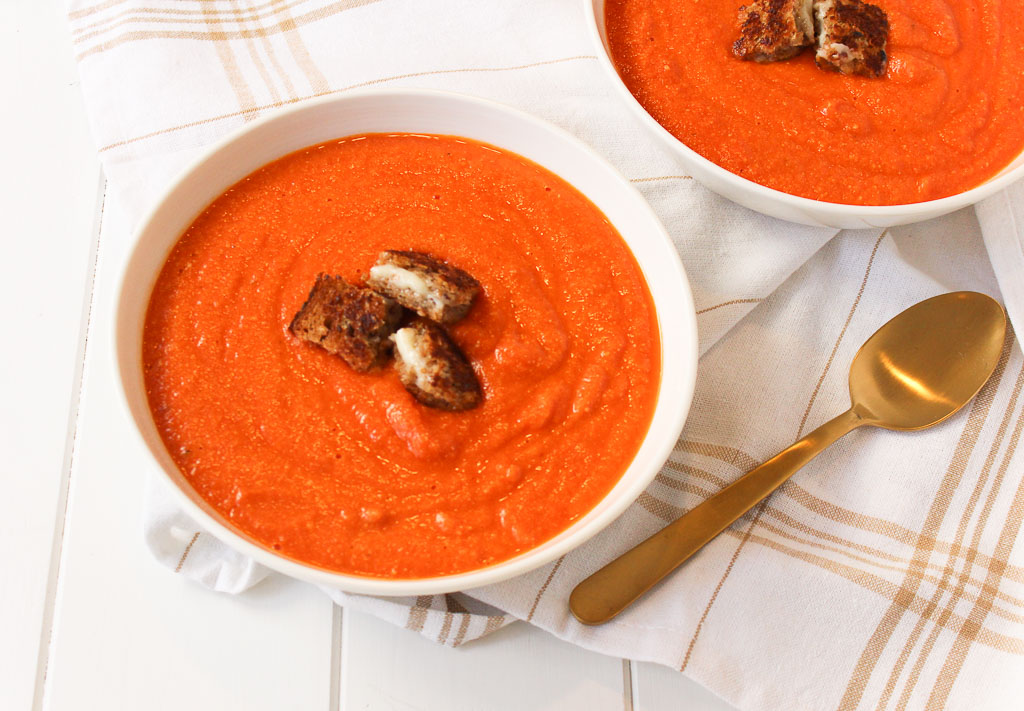
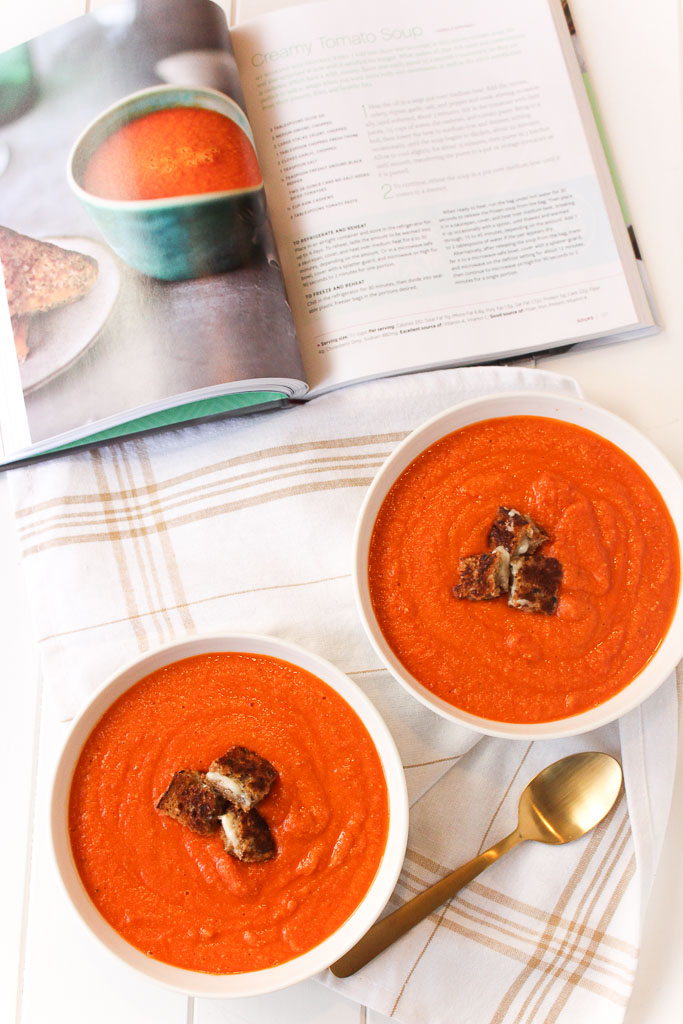
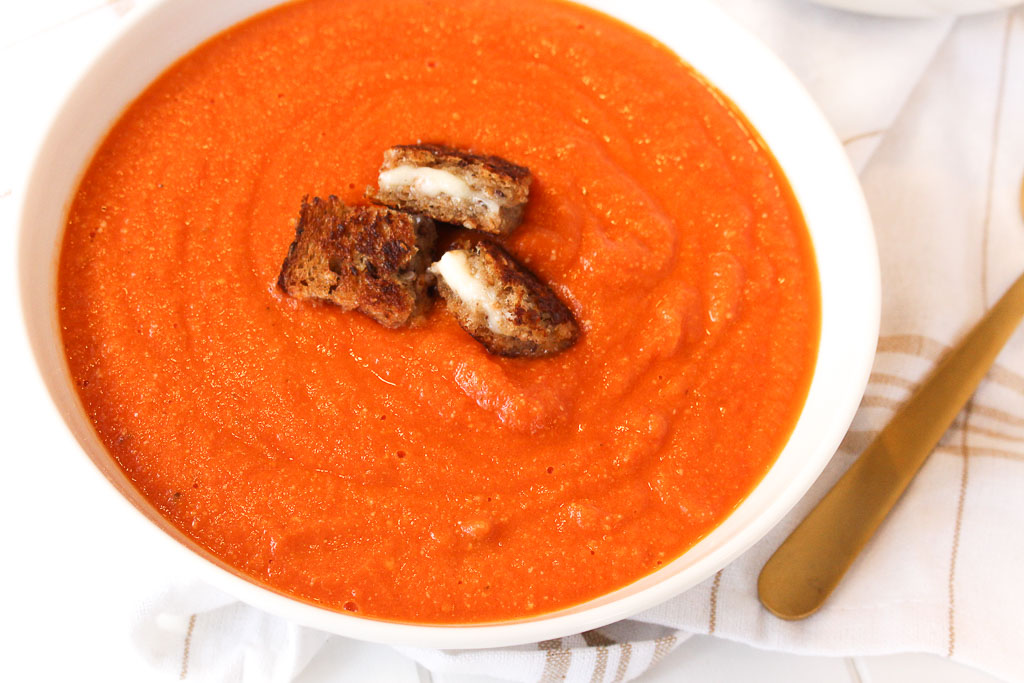
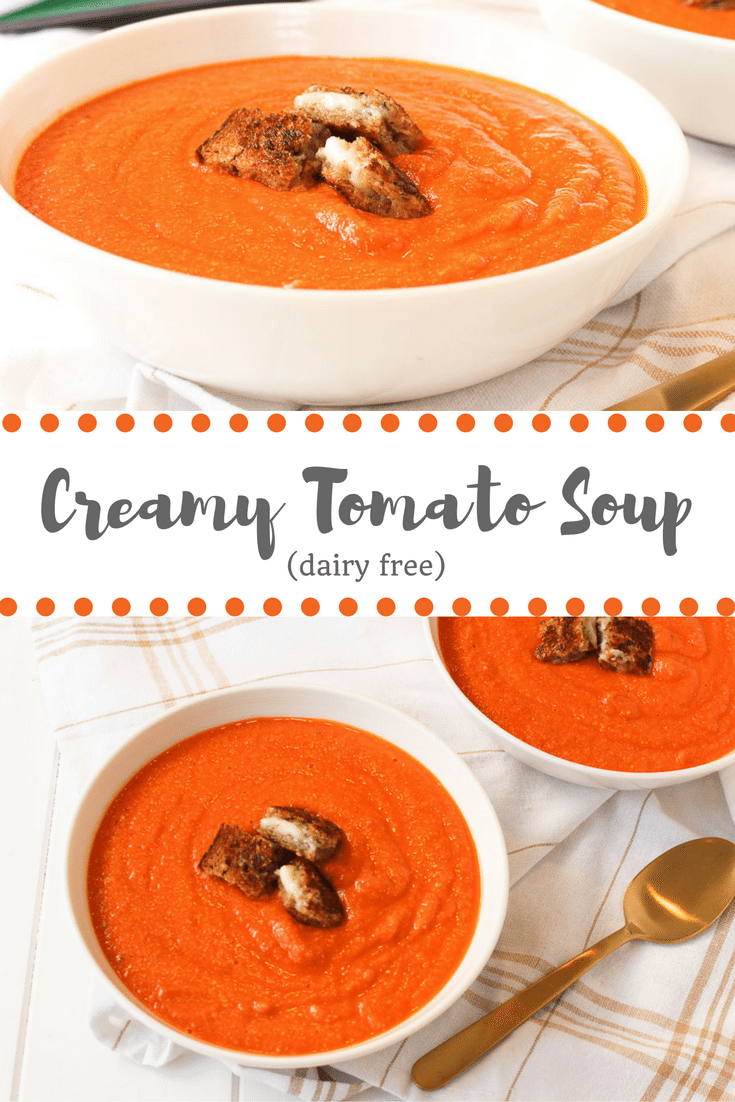
A creamy soup without the cream? Check out the secret ingredient that makes this dairy free Creamy Tomato Soup thick and creamy. Can you believe it’s almost 2017!? Where did the year go? The Recipe ReDux club is playing a little party game at the end of 2016: Grabbing your nearest cookbook and ReDux the recipe on page 201, 16, 216 – or any combination of the number ‘2016.’
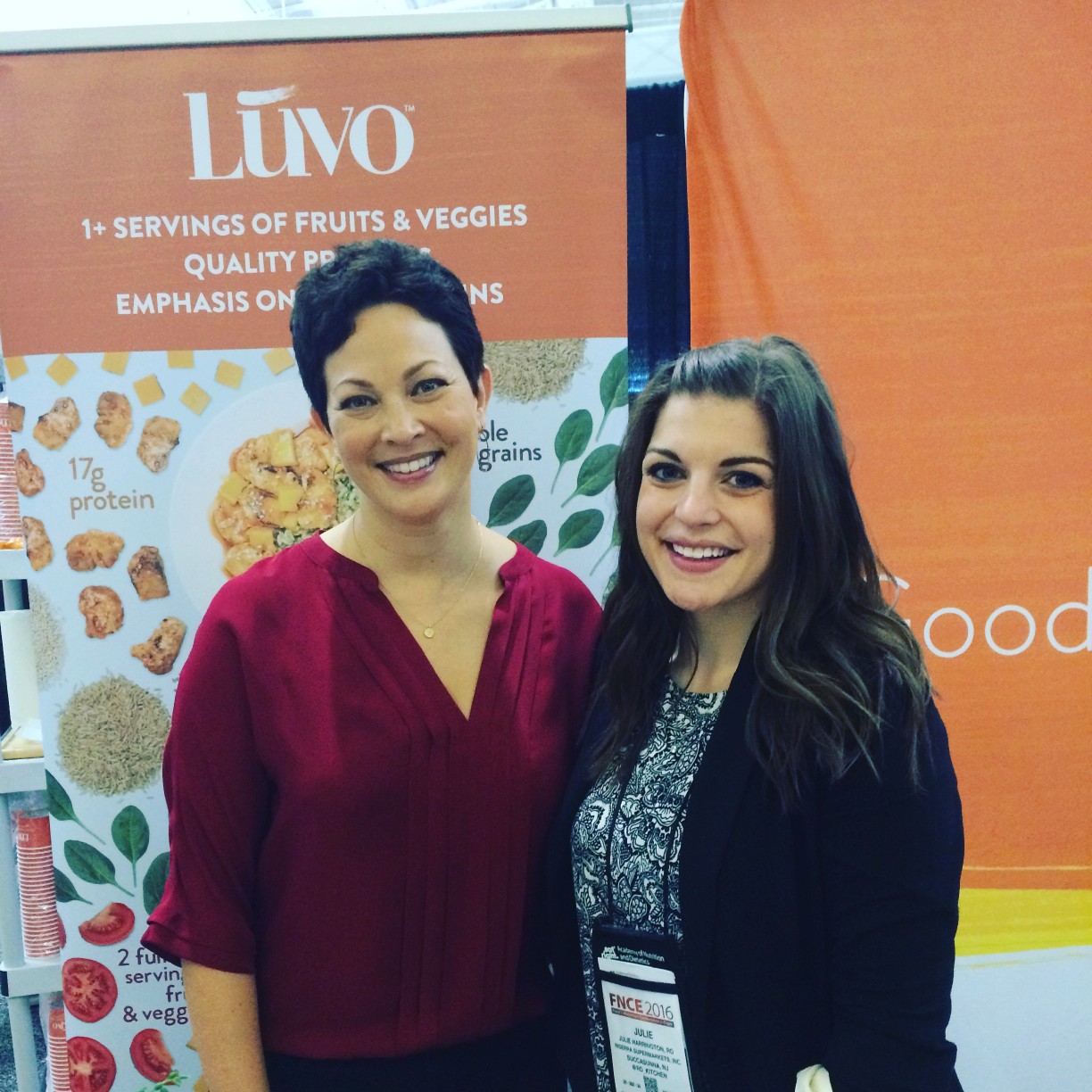
I opened You Have It Made cookbook by Ellie Krieger to page 126 – creamy tomato soup. I actually won this cookbook at FNCE at the Luvo booth and was able to meet one of favorite chef/RD’s Ellie Krieger. This soup is so simple and packed with flavor. It’s called a “Creamy” Tomato Soup, but guess what? There’s no cream! That’s the magic of Registered Dietitian chefs – we know how to alter recipes with alternative ingredients to pack in more nutritional value while still getting delicious results. The magic behind this creamless creamy soup – cashews! Cashews provide the ultimate creaminess when blended into soups. They make this creamy tomato soup so thick and smooth you would never know there isn’t dairy in there.
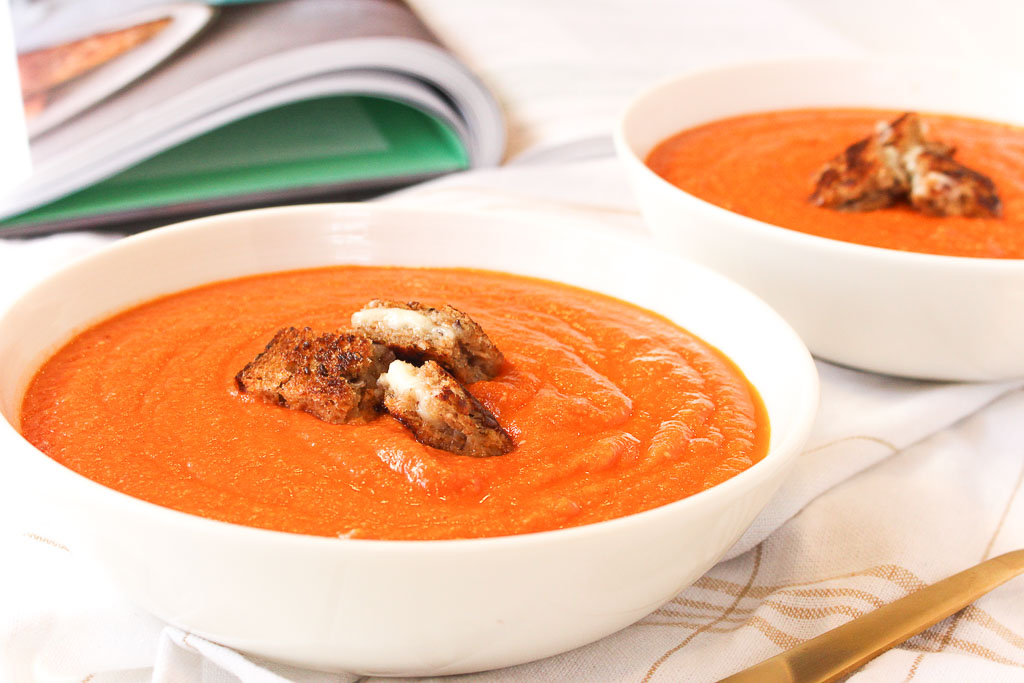
You can’t have tomato soup without grilled cheese, am I right? Instead of adding a grilled cheese on the side, I made mini grilled cheese “croutons” with my favorite whole grain bread + Cabot cheddar cheese.
Heat the oil in a large pot over medium heat. Add the onions, celery, thyme, garlic, salt and pepper and cook, stirring occasionally, until softened, about 5 minutes. Stir in the tomatoes with their juice, 1 1/2 cups of water, the cashews, and tomato paste. Bring to a boil, then lower the heat to medium-low and simmer, stirring occasionally, until the soup begins to thicken, about 20 minutes. Allow to cool slightly, for about 15 minutes, then puree in 3 batches until smooth, transferring the puree to a pot or storage container as it is pureed.
To continue, reheat the soup in a pot over medium heat until it comes to a simmer.
As the soup is cooking, spread butter on each slice of bread. Place butter side of bread down in a small pan, layer with cheese, then place the other slice of bread on top (butter side facing up). Cook until golden brown on each side and cheese has melted. Cut into small squares.
Pour soup into bowl and top with mini grilled cheese “croutons”.
Notes
Creamy Tomato Soup recipe by Ellie Krieger’s You Have It Made cookbook.
This post may contain affiliate links. Read my privacy policy.
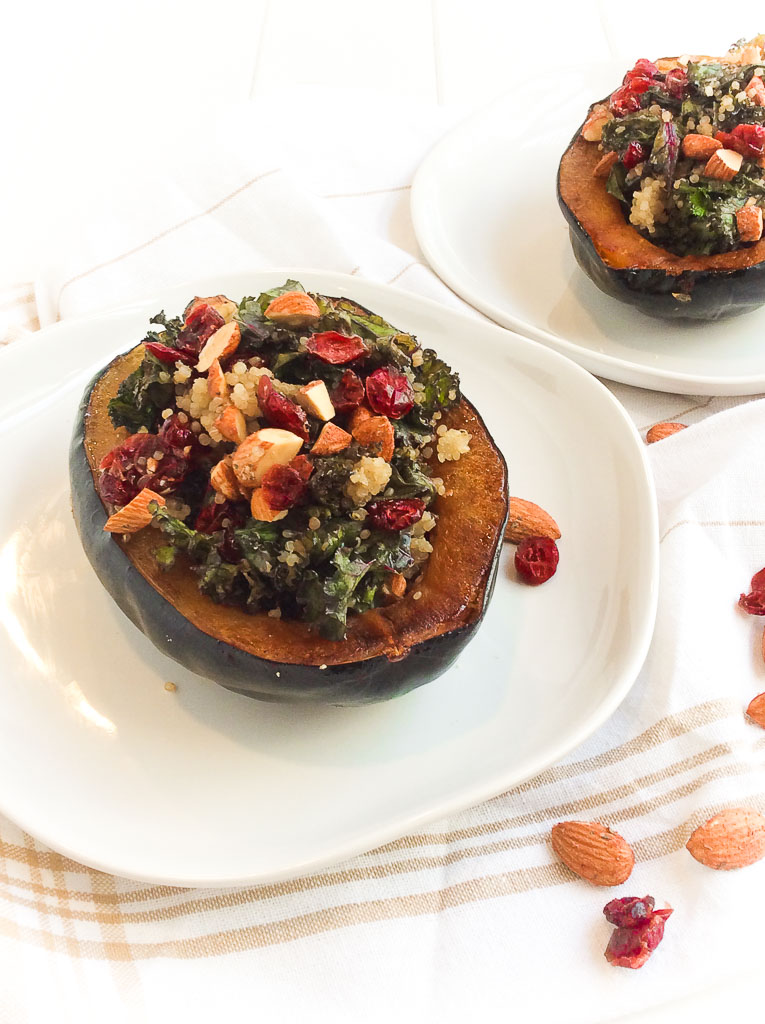
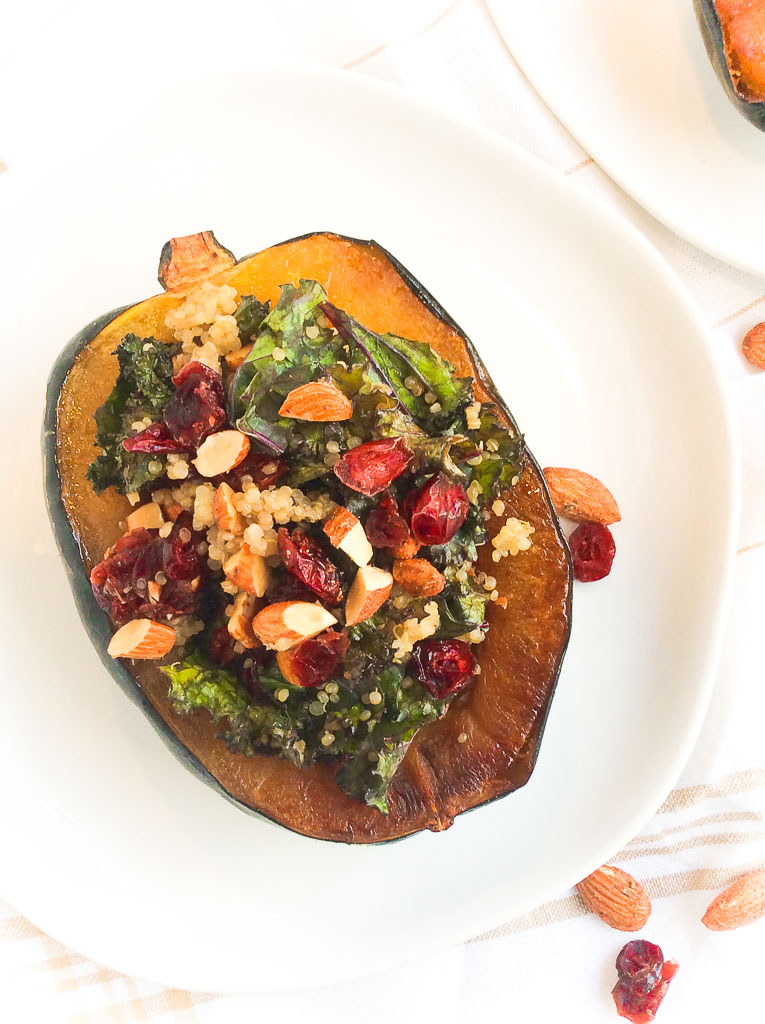
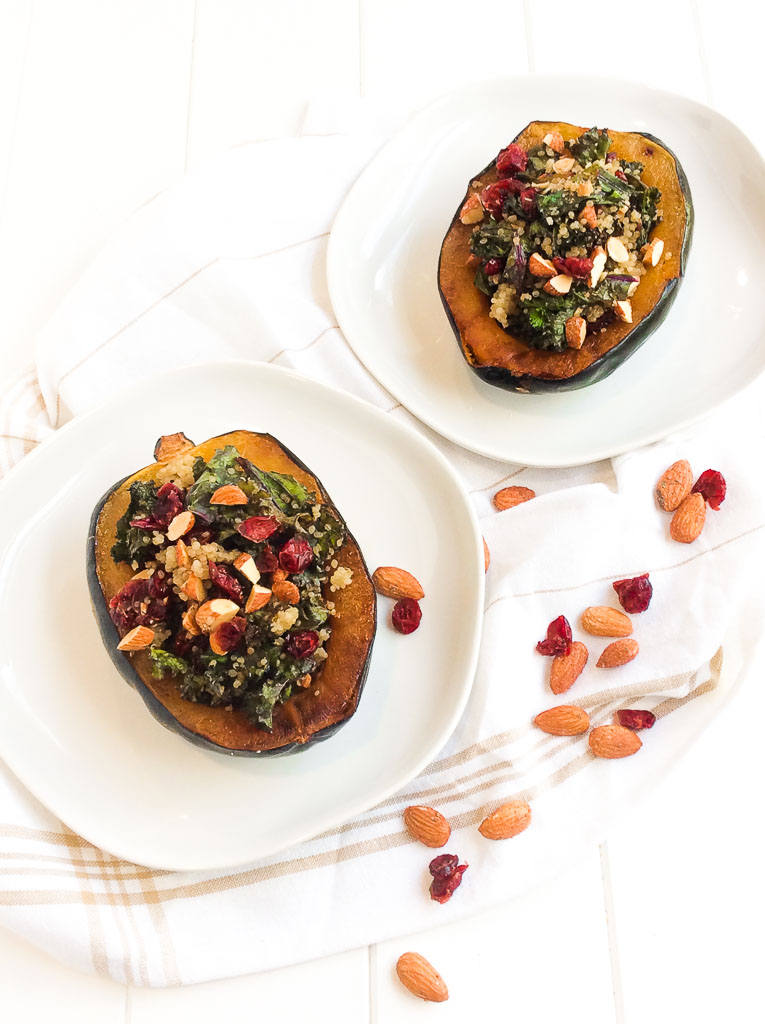
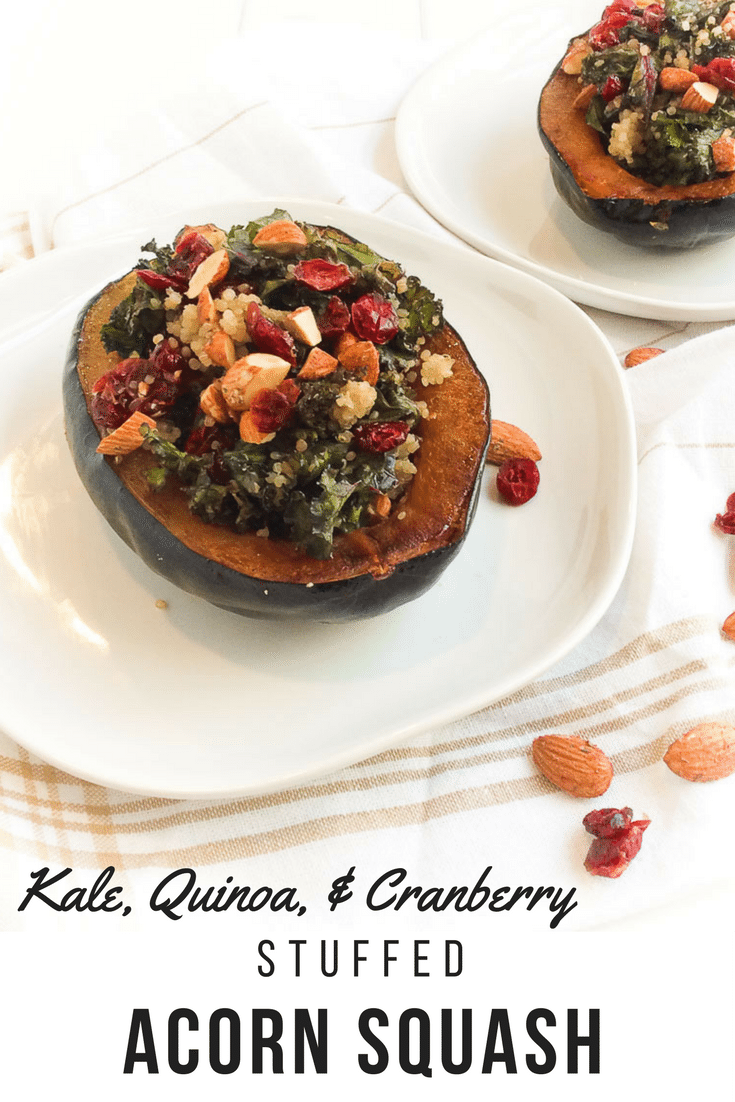
Sometimes dinner time turns into an episode of Chopped right in your own kitchen. This Kale, Quinoa, and Cranberry Stuffed Acorn Squash can easily be customized with ingredients you have in your refrigerator and pantry for a simple, wholesome meal.
The holiday season can be stressful at times. Considering I haven’t even started any of my holiday shopping, let alone even figuring out what I am getting anyone, that is adding a little stress to my plate these days. Things have been very busy here at RDelicious Kitchen, so I like to escape to my happy place and stress reliever – the kitchen.
There is something so soothing about chopping, stirring, and the aroma in the kitchen. With my days being jam packed it has been leaving little time for simple things, like grocery shopping. This recipe was inspired as I was in my imaginary world of being on an episode of Chopped. When you haven’t gone grocery shopping in a little while, you have to get creative!
Time-saving tip: Whenever I make a batch of quinoa, I always make extra and freeze the rest. This whole grain freezes well and easily heats up so you don’t have to start from scratch every time you are making quinoa.
My kale was on its last legs in my fridge, so in the saute pan it goes! Kale is one of those leafy greens that even after washing and trimming can last long in the refrigerator. When it begins to wilt, that’s when I throw that kale in my smoothies or saute pan – no waste!
When building a recipe, look to add different textures to the dish. I added almonds (my balsamic roasted almonds, to be exact) which adds that crunch factor, but also adds heart-healthy fats, fiber, and protein!
Slice acorn squash in half, lengthwise. Scoop out the seeds. Place squash on a baking sheet coated with cooking spray, flesh side down. Roast squash until for tender, about 30-50 minutes. (Exact roasting time will depend on the size and variety of your squash.
In a large skillet over medium-high heat, add the olive oil to the pan. Add kale and cook until slightly wilted. Add the balsamic vinegar and let cook for an additional 2 minutes.
Stir in the quinoa, dried cranberries, and almonds, and cook until warmed through.
Full acorn squash with kale, quinoa, and kale mixture and serve.
Notes
*for an extra kick of balsamic, add balsamic roasted almonds
This post may contain affiliate links. Read my privacy policy.
This past September I traveled to California for the first time. I was so fortunate that California Almond Board invited me on an amazing trip to the almond orchards in Lodi, California with a group of amazing Registered Dietitians and food bloggers. We learned a wealth of information of all things almonds, including sustainability, growing methods, almond life cycles and nutrition research. Disclosure: I was provided with free travel and accommodations to the California Almond Orchard experience. I was not additionally compensated for my time or to write this post.
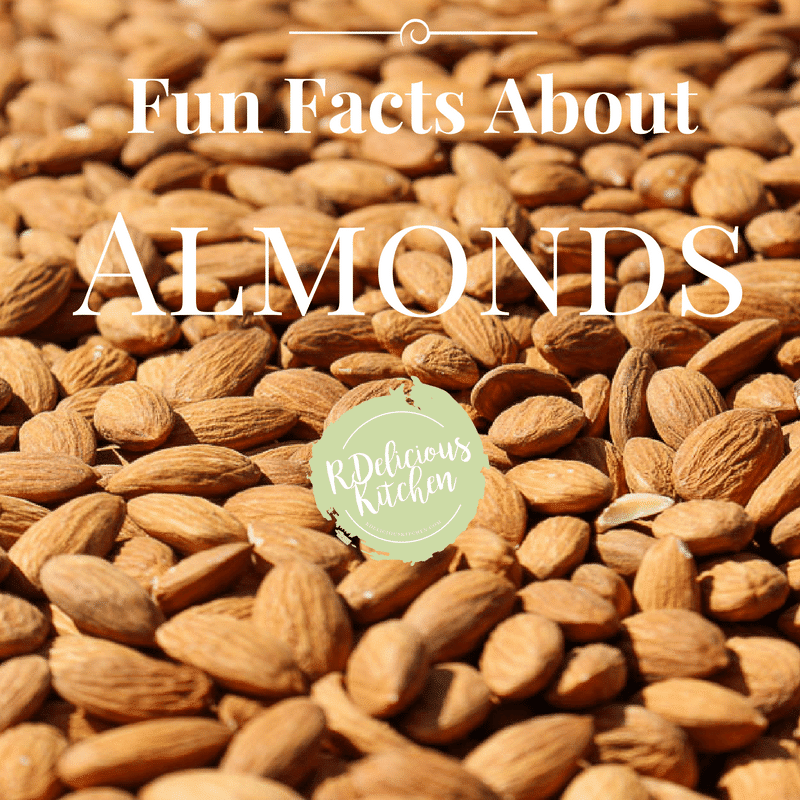
Ever wonder where those almonds that are in your trail mix, granola bars, and cereals are from? The almond lifecycle has many stages before they end up in your kitchen cabinets.
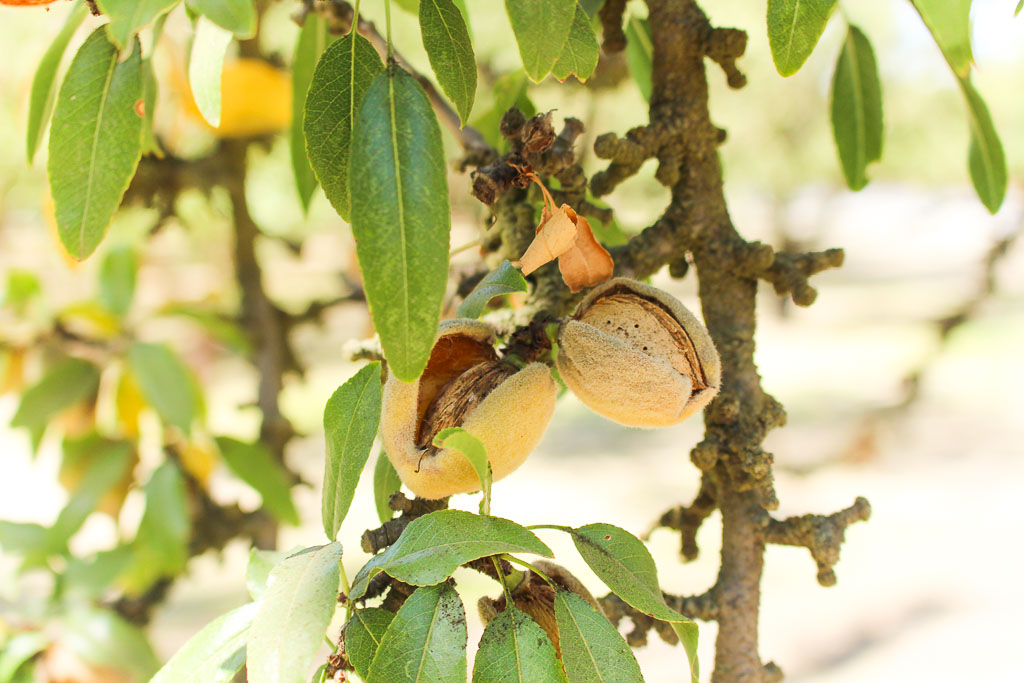
Did you know, there are more than 30 different varieties of almonds? 10 of them comprise the majority of almonds produced in California. 80% of the world’s almonds are produced in California, and from raw almonds and almond butter to almond flour, almond milk, and almond oil. The Central Valley of California is the perfect spot for almonds to grow due to their mild, wet winters and hot, dry summers. The Almond Lifecycle: November – February: Almond trees go through a period of dormancy when the cold weather lets them sit back, relax and store up almond nutrients for next year’s crop. Late February – early March: Almond tree buds burst into light pink and white blooms in preparation for pollination. Nonpareils are among the first to bloom, while other varieties, such as Carmel and Mission, bloom later.
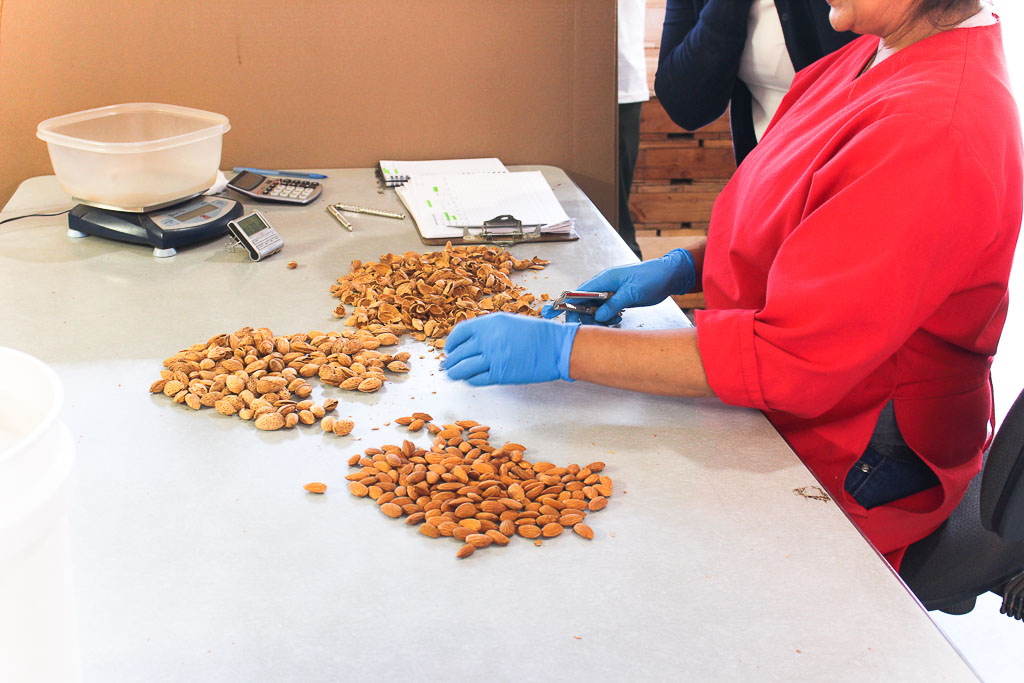
Many almond trees are not self-pollinating, so bees provide the missing piece of the puzzle. Populations of bees are brought to the orchard to carry pollen and initiate crop development. March – June: Almonds continue to mature, with the shell hardening and kernel forming. Also at this time, green almonds are harvested for various culinary uses.July – early August: Almond hulls begin to split open exposing the almond shell and allowing it to dry. Shortly before harvest, the hulls open completely. Mid-August through October: Mechanical tree “shakers” harvest the almonds by vigorously shaking them to the ground. The almonds then dry naturally for 8–10 days in the orchard before they are swept into rows and picked up by machine.After harvest, almonds go to a huller/sheller where the kernels pass through a roller to remove the hull, shell, and any remaining debris. Next stop: the handler for sizing, where the almond kernels drop into separate bins according to size.
After sizing, almonds are kept in controlled storage conditions to maintain quality until they’re either shipped or further processed into any variety of different almond forms for diverse culinary uses. (source: California Almonds)
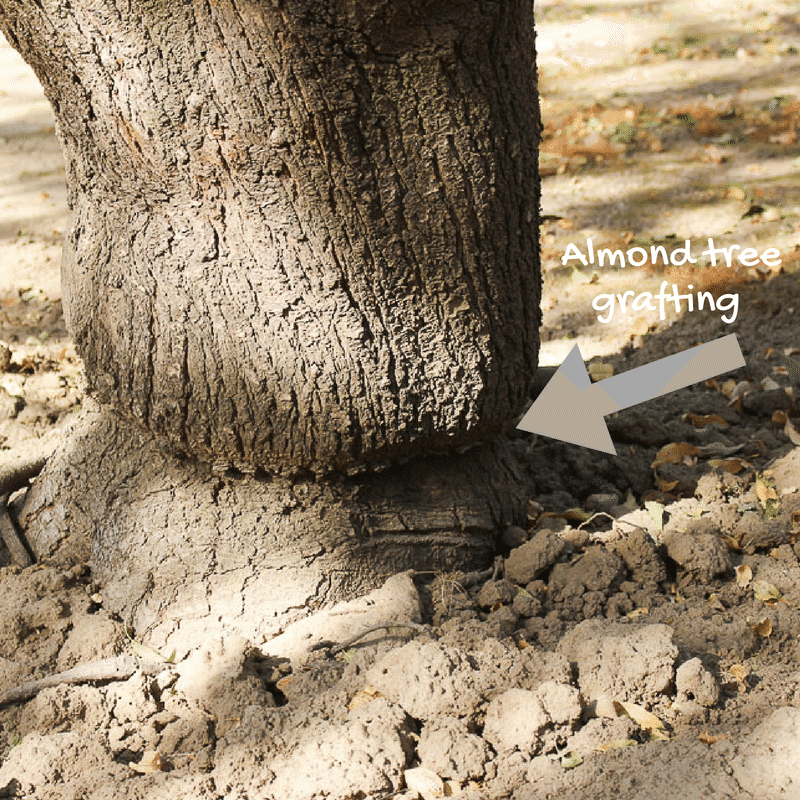
Did you know – Almond trees are grafted on the roots of peach or plum trees for a stronger root base. The almond trees are grown in a nursery, then grafted onto the root of a peach or plum tree to grow to maturity. Through the orchard you are able to see the point where they were grafted since they overlap each other. Did you know there are three parts to an almond? The hull, shell, and kernel make up this mighty little nut and all parts are used. The hull is the dry and fuzzy outer later. Hulls are sold as livestock feed, which reduces the amount of water used to grow other feed crops. The shells go to various alternative farming uses such as livestock bedding. The kernel, which most think of when thinking about almonds, is the nutrient-rich almond we eat. Each serving (28 g) contains 6 grams of energy-packed protein, 4 grams of hunger-fighting fiber, 13 grams of “good” unsaturated fat and only 1 gram of saturated fat.
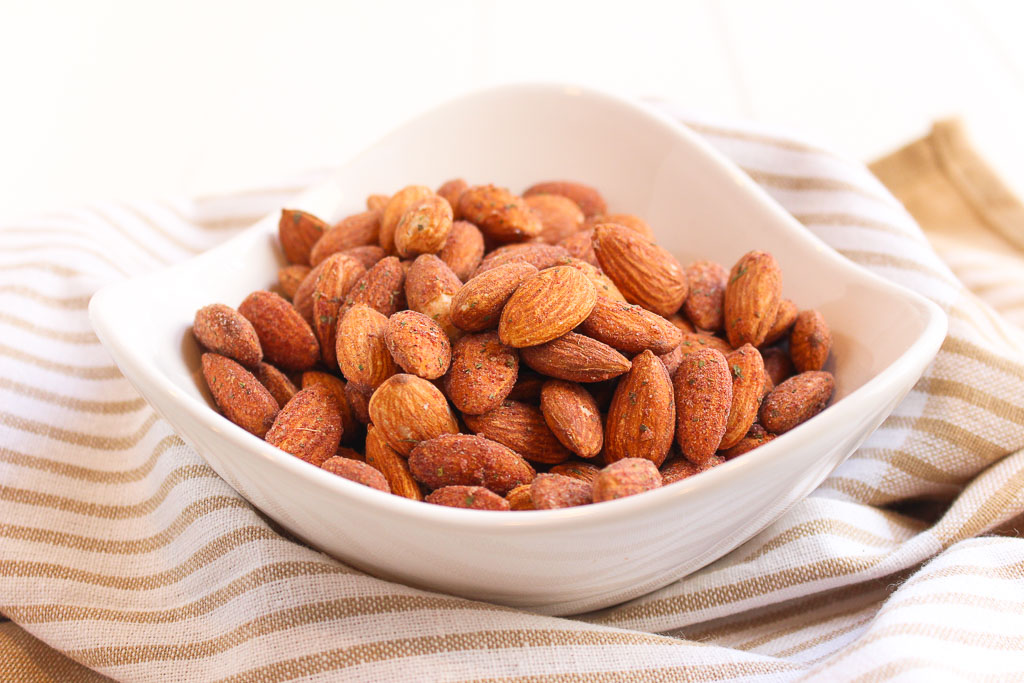
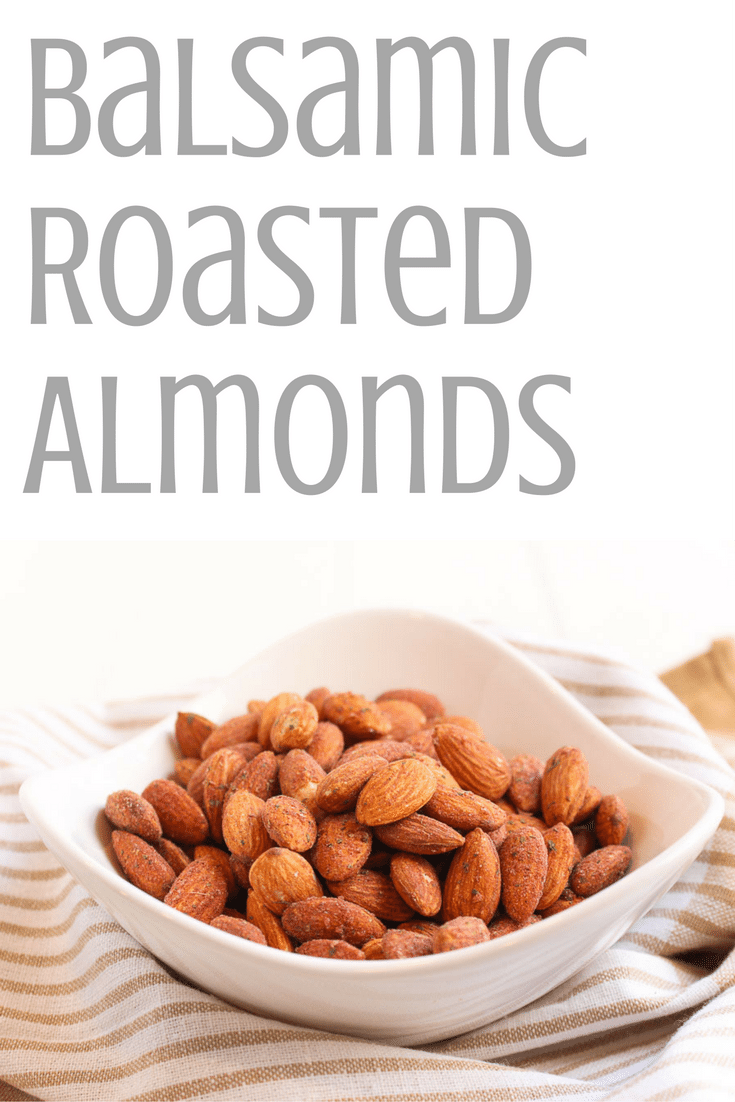
Now that I have you craving almonds, here is a delicious recipe to jazz up your almond snacks. Try these Balsamic Roasted Almonds. Just a few simple ingredients and snack time is jazzed up a little.
Warning: these almonds are addicting. The whole batch was gone in less than a week. Add them to salads, pair with a piece of fruit, the possibilities are endless. Be on the look out for another recipe soon using these almonds!
Place almonds in a small bowl. Pour the balsamic vinegar into the bowl, stir to coat the almonds. Let sit for one hour.
Pre-heat the oven to 350˚. Drain the vinegar from the almonds and pat almonds dry. Add sea salt and rosemary to the bowl and stir well to coat the almonds evenly. Spread almonds evenly onto a cookie sheet and bake for 8 minutes (stir the almonds halfway through cooking).
Remove from oven and let cool for 30 minutes. Store almonds in an airtight container.
Recipe Card powered by
Thank you California Almonds for this amazing experience! To learn more about California Almonds check out their website. They have great resources for health professionals!
This post may contain affiliate links. Read my privacy policy.
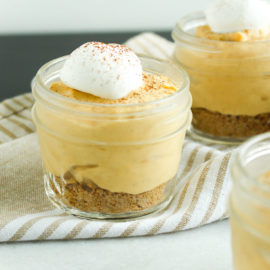
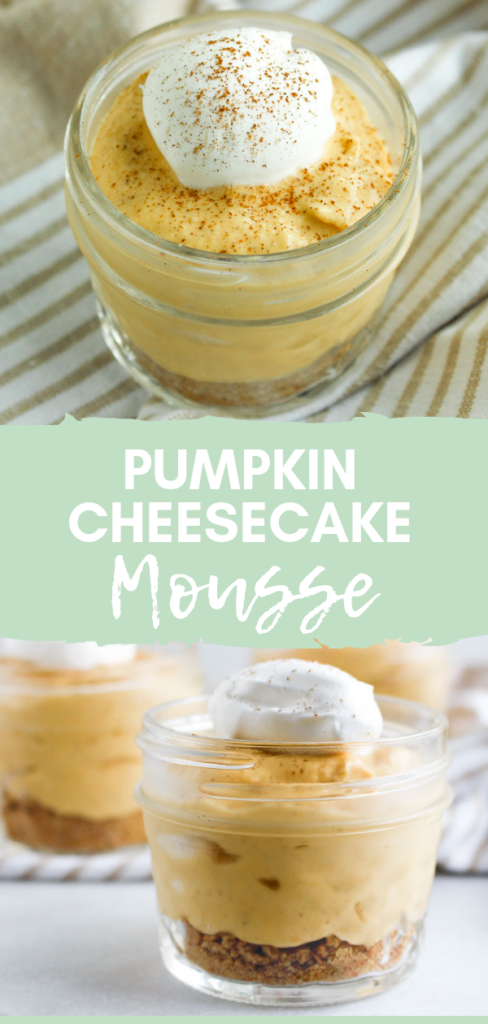
Looking for that perfectly portioned dessert? This no-bake Pumpkin Cheesecake Mousse tastes rich and indulgent with a healthy twist. Did you know yesterday was National Pumpkin Day? October 26th is when all the pumpkin-obsessed individuals rejoice! Sorry, my recipe is belated. I was busy creating and enjoying this delicious, rich, and creamy No Bake Pumpkin Cheesecake Mousse. These mini desserts will be great to serve at a gathering or an upcoming holiday party. It’s that perfectly portioned treat and I bet no one will ever guess there is tofu in this dessert.
Yes, tofu. Silken tofu can be used to replace eggs or dairy to create a lighter dessert. Just be sure to grab silken tofu. Making regular tofu entails pressing the soy curds and separating them from the whey. For silken tofu, there is no separation or pressure exerted, and it’s often solidified right in the container. Silken tofu has a pudding-like quality. It’s very light in texture with a wonderful, creamy, rich and consistency. When my recipe tester (aka. my boyfriend) ate 3 of these in one day, I knew this recipe was a winner. I have a feeling this recipe is going to be requested much more often now.
Looking for that perfectly portioned dessert? This no-bake Pumpkin Cheesecake Mousse tastes rich and indulgent with a healthy twist.
Ingredients
Scale
6 honey graham crackers
4 oz. + 1 tablespoon vanilla Greek yogurt
1 cup pumpkin puree
4 oz. cream cheese
2 tablespoons sugar
2 tablespoons maple syrup
1/2 cup silken tofu
2 teaspoons pumpkin pie spice
1 teaspoon vanilla extract
(optional) whipped topping
Instructions
Coarsely crush graham crackers with a food processor. (Or in a large ziplock bag with a rolling pin). Mix in 1 tablespoon Greek yogurt until well combined. Distribute graham cracker crumbs evenly into 8 small mason jars.
In a food processor or blender, combine 4 oz. Greek yogurt, pumpkin puree, cream cheese, sugar, maple syrup, tofu, pumpkin pie spice, and vanilla extract. Blend until smooth.
Spoon pumpkin cheesecake mousse mixture into each jar over the graham cracker crust. Top with a dollop of whipped topping and a sprinkle of cinnamon, if desired. Cover and refrigerate pumpkin cheesecake mousse until ready to serve.
Keywords: dessert, pumpkin, mousse, cheesecake
Recipe Card powered by
FREE Ebook
Get on the list and download my free Knife Basics & Skills Ebook!
This website uses cookies to improve your experience. We'll assume you're ok with this, but you can opt-out if you wish.AcceptRejectRead More
Privacy & Cookies Policy
Privacy Overview
This website uses cookies to improve your experience while you navigate through the website. Out of these, the cookies that are categorized as necessary are stored on your browser as they are essential for the working of basic functionalities of the website. We also use third-party cookies that help us analyze and understand how you use this website. These cookies will be stored in your browser only with your consent. You also have the option to opt-out of these cookies. But opting out of some of these cookies may affect your browsing experience.
Necessary cookies are absolutely essential for the website to function properly. This category only includes cookies that ensures basic functionalities and security features of the website. These cookies do not store any personal information.
Any cookies that may not be particularly necessary for the website to function and is used specifically to collect user personal data via analytics, ads, other embedded contents are termed as non-necessary cookies. It is mandatory to procure user consent prior to running these cookies on your website.





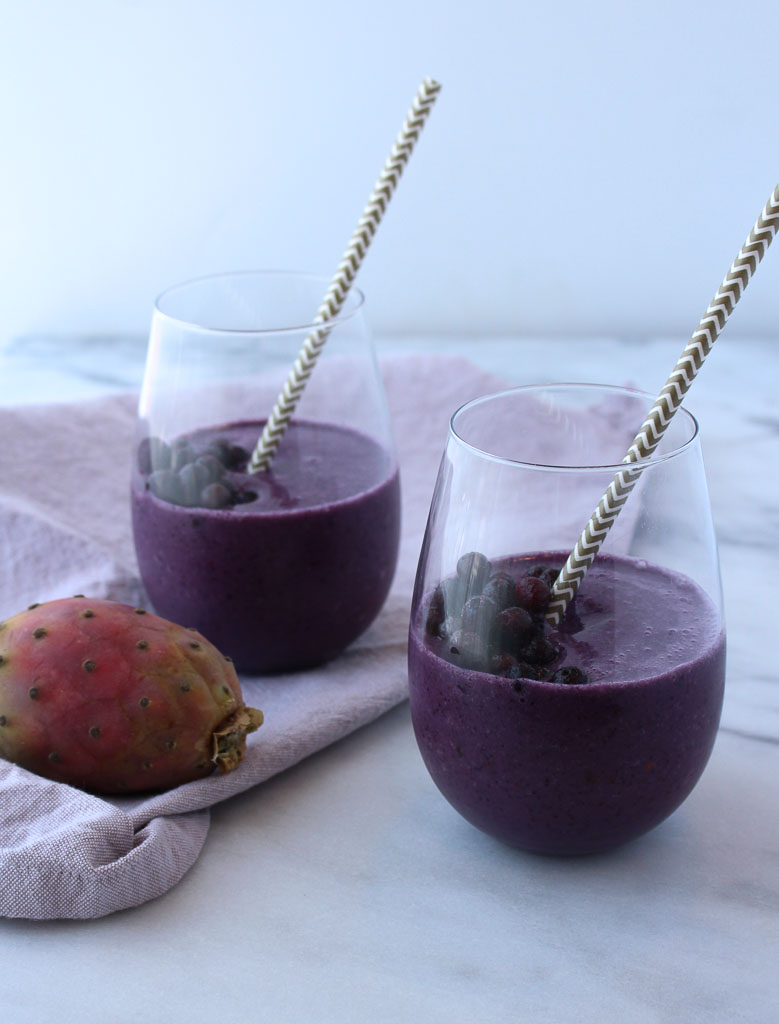 Disclosure: By posting this recipe I am entering a recipe contest sponsored by the Wild Blueberry Association of North America and I am eligible to win prizes associated with the contest. I was not compensated for my time.
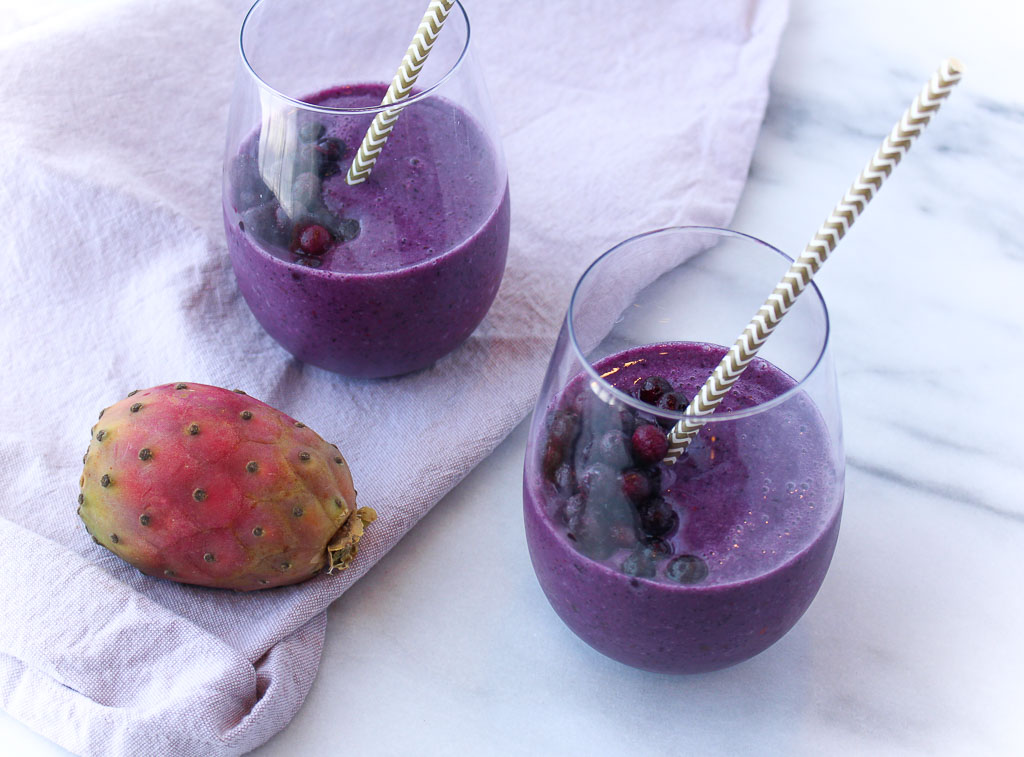 I wanted to highlight Wild Blueberries’ unique flavor profile with another unique fruit – prickly pear! I was recently asked what my strategies were to add plenty of produce into my daily eating habits. My response was, make it fun! Try adding unique and exotic new produce to your regular routine so it never gets boring.
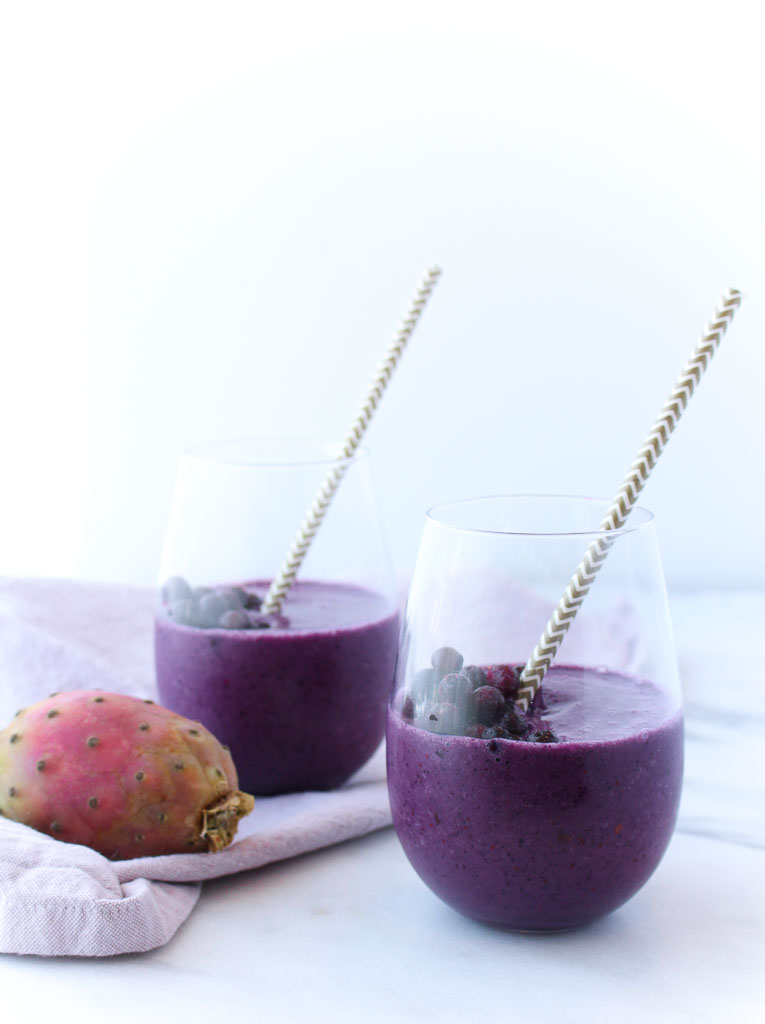 Wild Blueberries have twice (2x) the antioxidant capacity of larger, cultivated blueberries. A growing body of research shows the potential health benefits of Wild Blueberries including gut health, diabetes, cancer and brain health.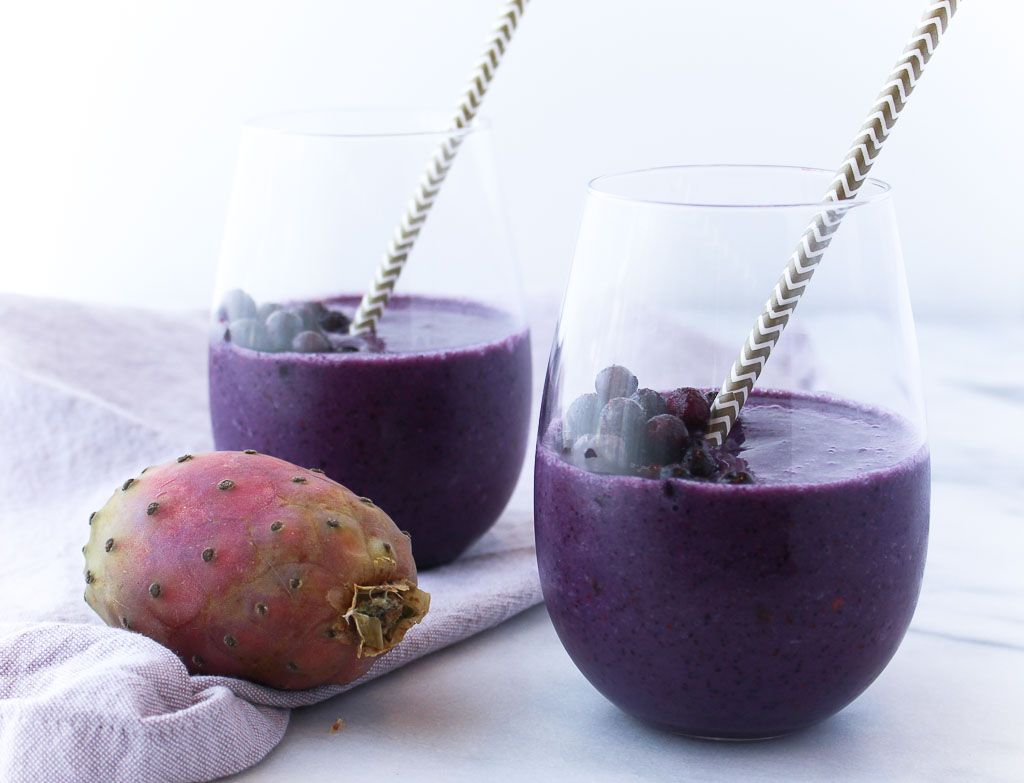












![[No Bake] Pumpkin Cheesecake Mousse via RDelicious Kitchen @RD_Kitchen](https://chefjulierd.com/wp-content/uploads/2016/10/pumpkin-cheesecake-shooters-037.jpg)
![[No Bake] Pumpkin Cheesecake Mousse via RDelicious Kitchen @RD_Kitchen](https://chefjulierd.com/wp-content/uploads/2016/10/pumpkin-cheesecake-shooters-061.jpg)
![[No Bake] Pumpkin Cheesecake Mousse via RDelicious Kitchen @RD_Kitchen](https://chefjulierd.com/wp-content/uploads/2016/10/pumpkin-cheesecake-shooters-043.jpg)
![[No Bake] Pumpkin Cheesecake Mousse via RDelicious Kitchen @RD_Kitchen](https://chefjulierd.com/wp-content/uploads/2016/10/pumpkin-cheesecake-shooters-049.jpg)