Steel Cut Oats vs. Rolled Oats vs. Quick Oats – What’s the Difference?

February is Heart Health Month and oats have a stellar reputation for their heart health benefit. Do you know the difference between each variety of oats?
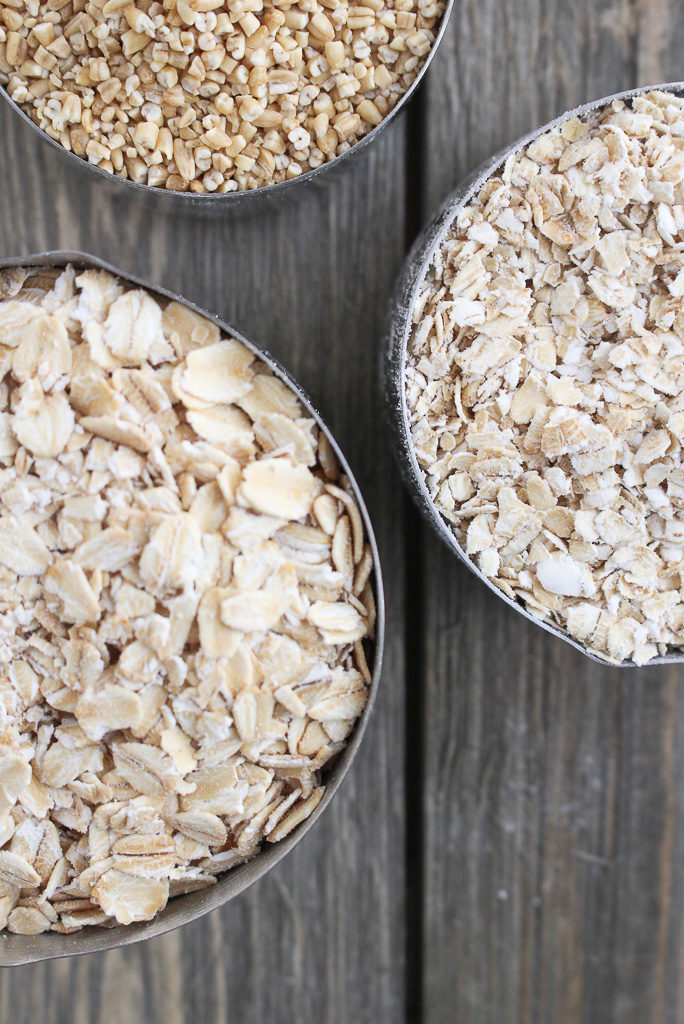
variety of oats in steel measuring cups

Fiber’s role in heart health

Dietary fiber can help improve blood cholesterol levels and lower your risk of heart disease, stroke, obesity and even type 2 diabetes.

The American Heart Association recommends that at least half of the grains you eat be whole grains. Eating whole grains (like oats) are consistently associated with a reduced risk of chronic disease, including cardiovascular disease. Whole grain oats and oat bran can help lower blood cholesterol thanks to the power of beta-glucan – a soluble fiber, largely unique to oats, that basically tells your liver to pull LDL cholesterol out of the blood. Then, it binds to some of the cholesterol in your gut, keeping it from ever reaching your bloodstream.

You head to the grocery store to pick up oats, and there are so many options. Steel-cut oats, rolled oats, old-fashioned oats – what’s the difference?
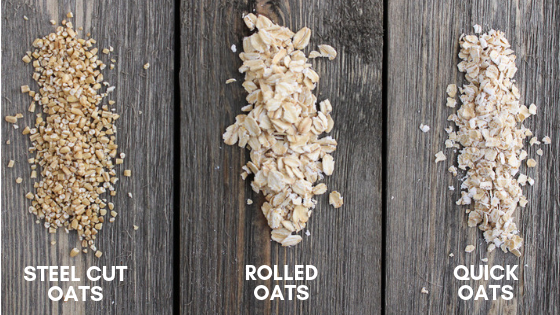
different variety of oats on a wooden board

Steel Cut Oats

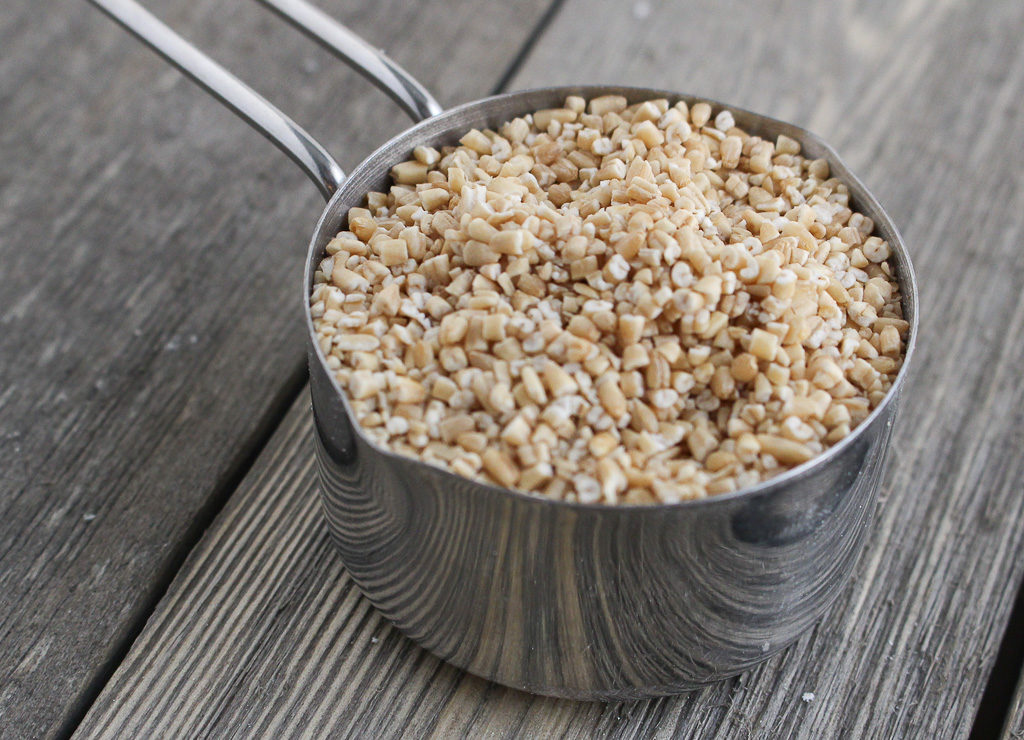
steel cut oats in a metal measuring cup

Steel-cut oats, also known as Irish or Scottish oats, are oats that are processed by chopping the whole oat groat into several pieces. This type of oatmeal takes the longest to cook. Why? Because the outside layer of the whole grain, the bran, is fully intact. A longer cook time penetrates through the bran creating tender, yet a chewy texture that retains much of its shape even after cooking.

Don’t have time in the morning to cook steel-cut oats? I don’t blame you! Prepare them in advance by cooking them over the stovetop, in a crockpot, or Instant Pot. Or try my frozen muffin tin method.

Get the recipe: Frozen (Single Serving) Pumpkin Steel Cut Oatmeal

Rolled Oats
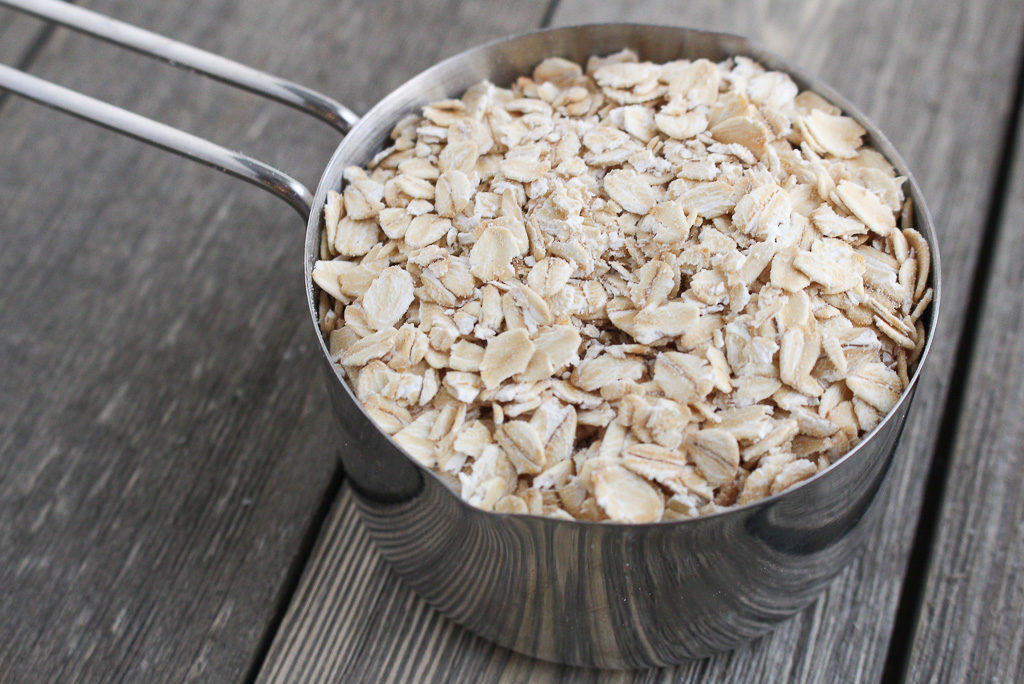
rolled oats in a metal measursing cup

Rolled oats, also known as old-fashioned oats, are created when oat groats are steamed and then rolled into flakes. This process stabilizes the healthy oils in the oats, so they stay fresh longer, and helps the oats cook faster, by creating a greater surface area.

Rolled oats cook faster than steel-cut oats. They absorb more liquid and hold their shape well during cooking. With their faster cook time, enjoy a bowl of warm oatmeal in the morning or use in recipes like muffins, granola, pancakes, or other baked good recipes.

Get the recipe: Quinoa Oatmeal with Berries

Quick Oats
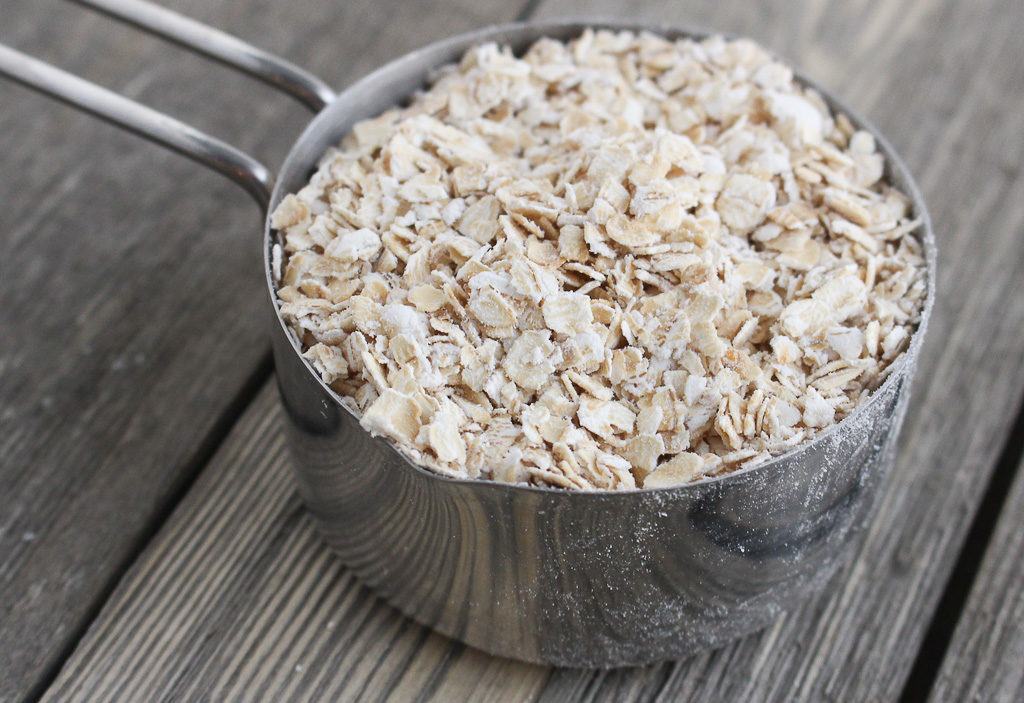
quick oats in a metal measuring cup

Quick oats, also known as minute oats or instant oats are rolled oats and that are steamed for even longer. As the most processed type of oat, instant oatmeal cooks in seconds and has a smooth, creamy, and soft consistency and mild flavor.

Quick cook more quickly than steel-cut or rolled oats, but retain less of their texture, and often cook up mushy. Plus, be mindful of the multiple varieties of quick oats in the shelf. Tip: Opt for the quick oats in the canister vs. the individual packets. Not only will you save money, but often the packets contain disodium phosphate (aka. salt), to help them swell even faster in the microwave, whereas the canister contains just the oats. Additionally, the packets contain added sugar, if choosing the flavored varieties.

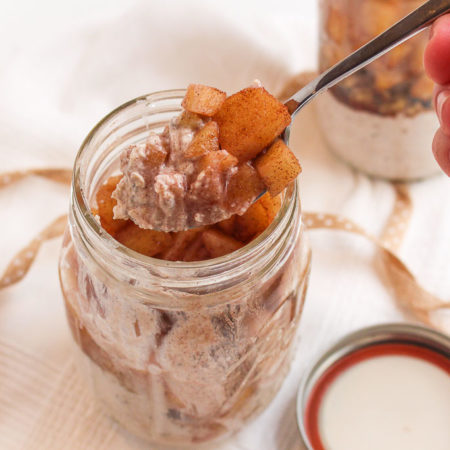
Get the recipe: Apple Pie Overnight Oats
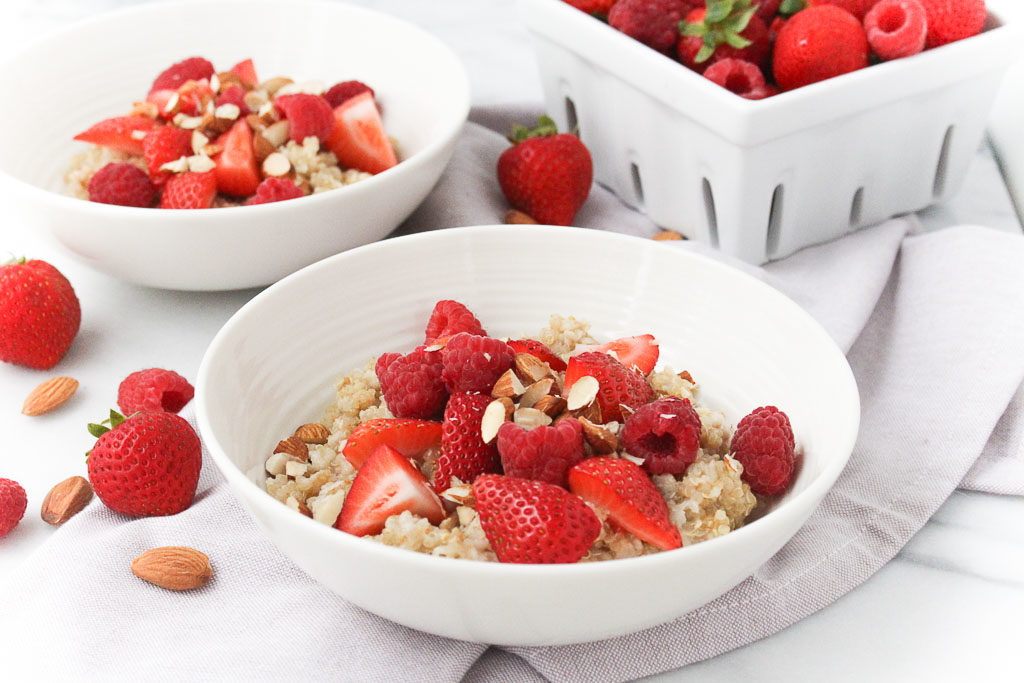
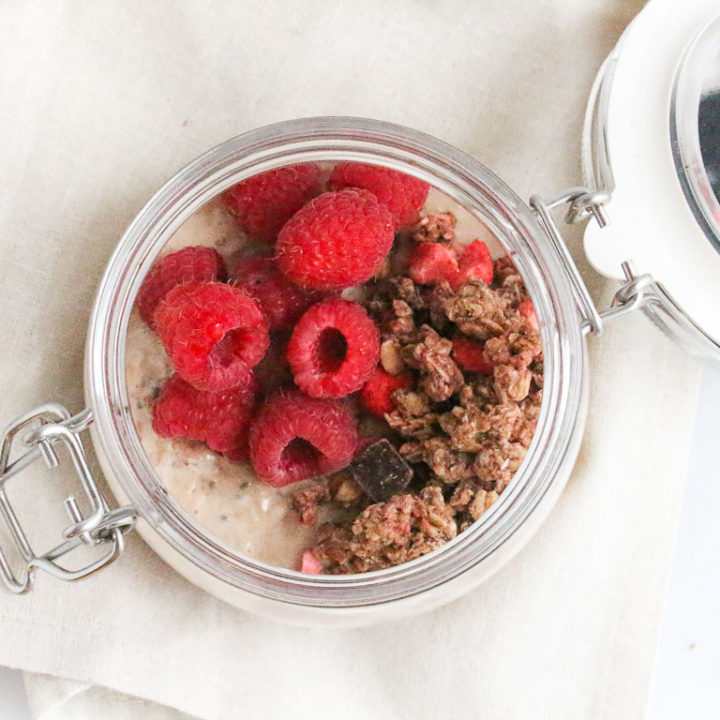
oatmeal with strawberries and raspberries in a white bowl

New Research

Consuming uncooked oats, like overnight oats that are soaked in milk or yogurt to soften, contain resistant starch. Resistant starch is a carbohydrate that resists digestion in the small intestine and ferments in the large intestine. As the fibers ferment they act as a prebiotic and feed the good bacteria in the gut.

The John Hopkins Patient Guide to Diabetes notes that “When starches are digested they typically break down into glucose. Because resistant starch is not digested in the small intestine, it doesn’t raise glucose. Gut health is improved as fermentation in the large intestine makes more good bacteria and less bad bacteria in the gut. Healthy gut bacteria can improve glycemic control. Other benefits of resistant starch include increased feeling of fullness, treatment and prevention of constipation, decrease in cholesterol, and lower risk of colon cancer. Resistant starch is fermented slowly so it causes less gas than other fibers.”

This post may contain affiliate links. To find out more information, please read my disclosure statement.
Recipes you may enjoy

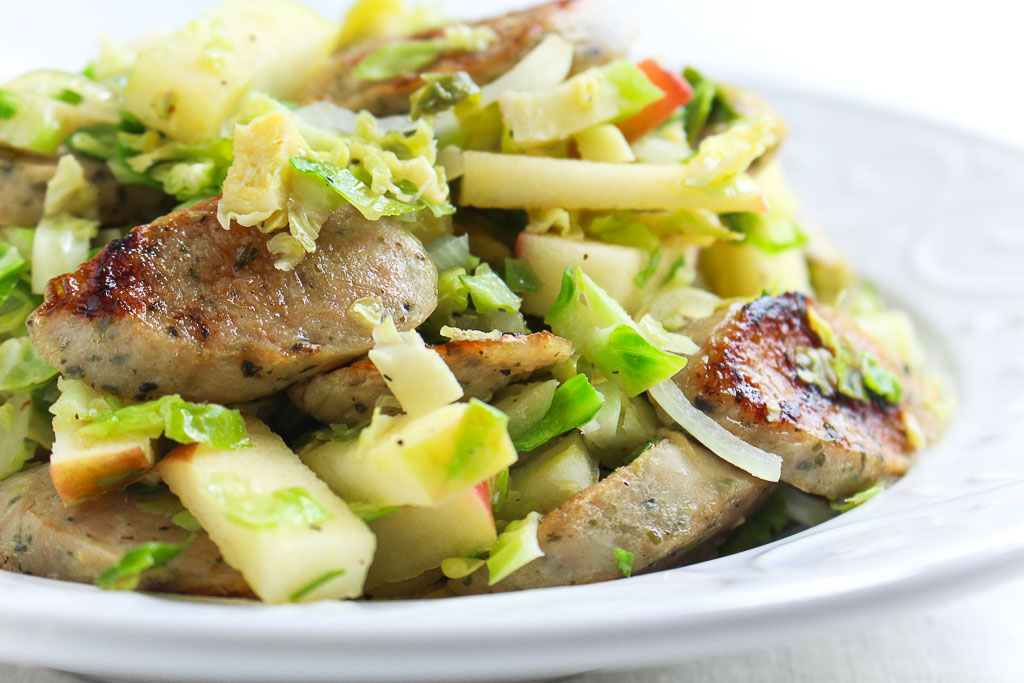
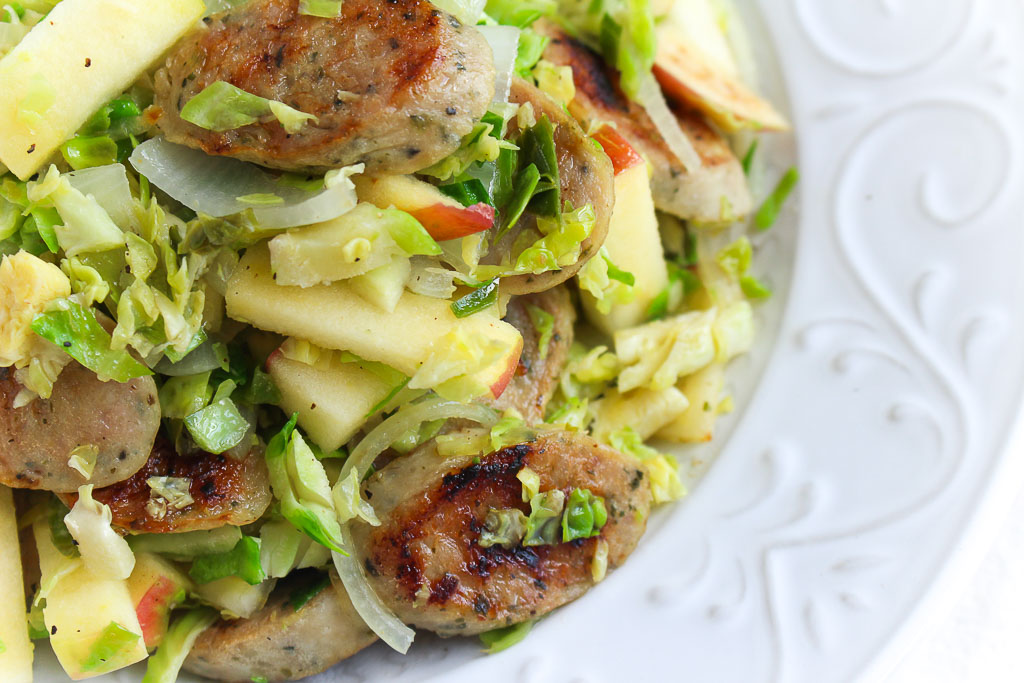
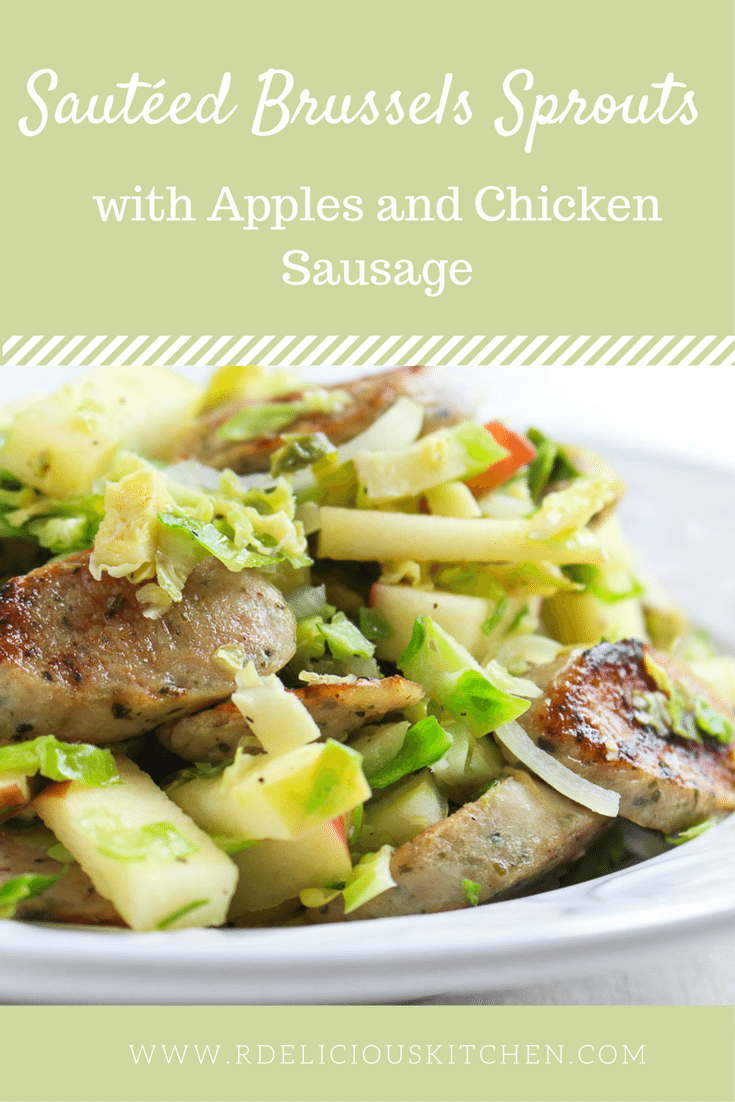
Sautéed Brussels Sprouts with Apples and Chicken Sausage

I feel like poor Brussels sprouts have always had bad reputation. Don’t turn up your nose to nutritious Brussel sprouts. Cook them in flavorful ways like these Sautéed Brussels Sprouts with Apples and Chicken Sausage.
Sautéed Brussels Sprouts with Apples and Chicken Sausage via RDelicious Kitchen @RD_KitchenGrowing up did your parents tell you to “eat your Brussel sprouts!”? Some still cringe when they hear that. I would guess 9/10 times those people were eating boring, unflavored, under seasoned sprouts.
I find that with many vegetables. Try cooking veggies in a variety of cooking methods and season in different ways. I showcased this idea in a cooking class once, where we cooked cauliflower in 4 different ways: steaming, boiling, roasting, and mashing with a variety of spices and herbs. It was interesting to hear everyone’s views of which method they preferred. Just because you don’t like a vegetable one way, doesn’t mean you won’t like in another way.

Don’t count out Brussels sprouts just yet, until you try this Sautéed Brussels Sprouts with Apples and Chicken Sausage recipe!
Sautéed Brussels Sprouts with Apples and Chicken Sausage via RDelicious Kitchen @RD_KitchenBrussels sprouts are part of the Brassica family of vegetables, which also includes cabbage, broccoli, kale, and collard greens. They are rich in many valuable nutrients. They are an excellent source of vitamin C and vitamin K. They are a very good source of numerous nutrients including folate, vitamin A, manganese, dietary fiber, potassium, vitamin B6 and thiamin (vitamin B1) and a good source of omega-3 fatty acids, iron, phosphorus, protein, magnesium, riboflavin (vitamin B2), vitamin E, calcium, and niacin.
Sautéed Brussels Sprouts with Apples and Chicken Sausage via RDelicious Kitchen @RD_KitchenWhat is your favorite way to enjoy Brussels sprouts?

Print

clock clock iconcutlery cutlery iconflag flag iconfolder folder iconinstagram instagram iconpinterest pinterest iconfacebook facebook iconprint print iconsquares squares iconheart heart iconheart solid heart solid icon
Sautéed Brussels Sprouts with Apples and Chicken Sausage in a white bowl

Sautéed Brussels Sprouts with Apples and Chicken Sausage

  • Author: Julie @ RDelicious Kitchen

Ingredients

Scale
  • 1 1/2 tablespoons olive oil, divided
  • 1 package garlic chicken sausage (6 links)
  • 1 onion, diced
  • 3 cloves garlic, minced
  • 1 pound Brussels sprouts, shaved with a food processor or roughly chopped
  • 2 tablespoons apple cider vinegar
  • 1 honeycrisp apple, julienne
  • salt and pepper, to taste

Instructions

  1. Slice the chicken sausage on a bias (or simply on an angle). In a large pan, heat 1/2 tablespoon olive oil and cook chicken sausage. Remove from pan and set aside.
  2. Add remaining olive oil in the pan and sauté onions and garlic until caramelized. Add shredded Brussels sprouts and cook for an additional 2-3 minutes or until desired doneness. Add apple cider vinegar and cook for an additional minute.
  3. Add apple slices and cook until just warmed through. Add the chicken sausage back in and toss until combined. Season with salt and pepper, to taste.

Recipe Card powered byTasty Recipes

submark
Sautéed Brussels Sprouts with Apples and Chicken Sausage via RDelicious Kitchen @rd_kitchen

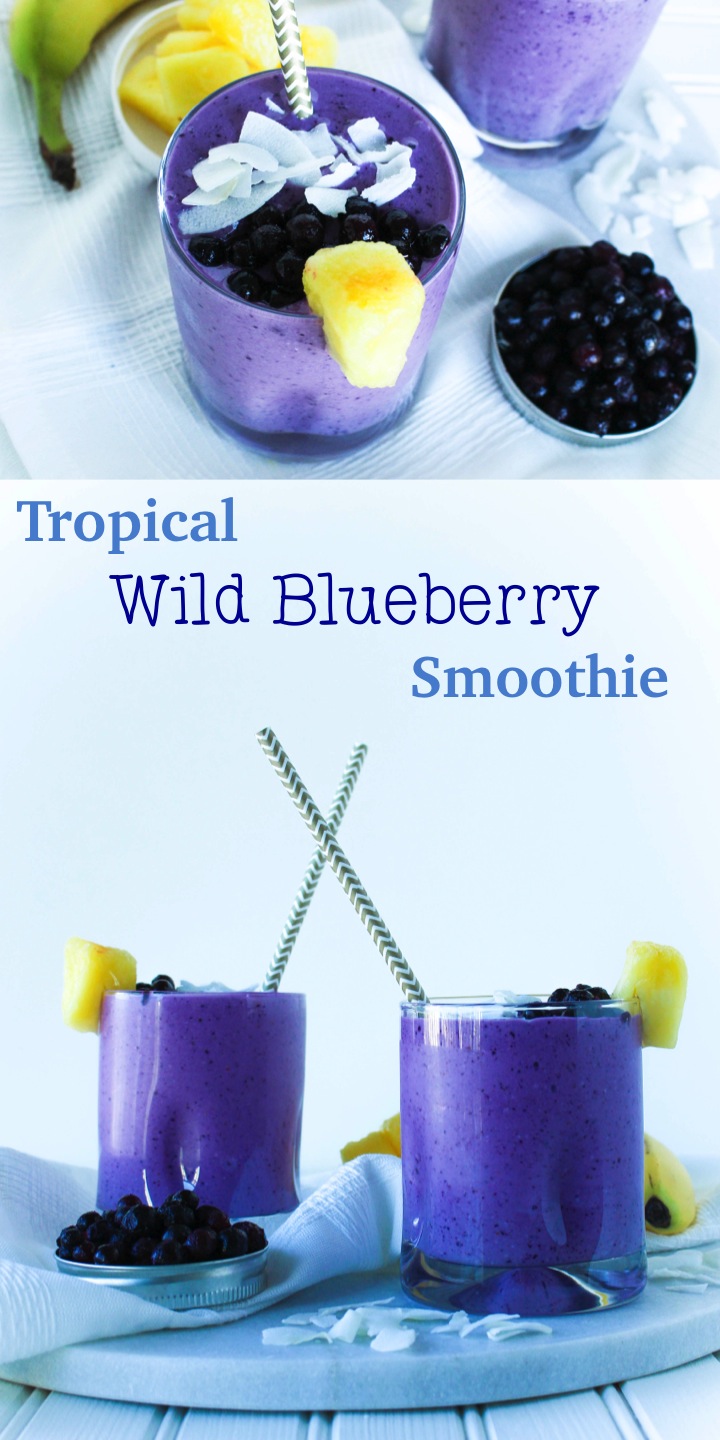
Tropical Wild Blueberry Smoothie

Add a boost of flavor and nutrition with a Tropical Wild Blueberry Smoothie.
Tropical Wild Blueberry Smoothie via RDelicious Kitchen @rdkitchenBy posting this recipe I am entering a recipe contest sponsored by the Wild Blueberry Association of North America and I am eligible to win prizes associated with the contest. I was not compensated for my time.
It dropped to 2 degrees here in NJ this past weekend.. BRRR. Simple tasks like running errands was brutal in the cold. I kept envisioning a getaway to a warm tropical island.
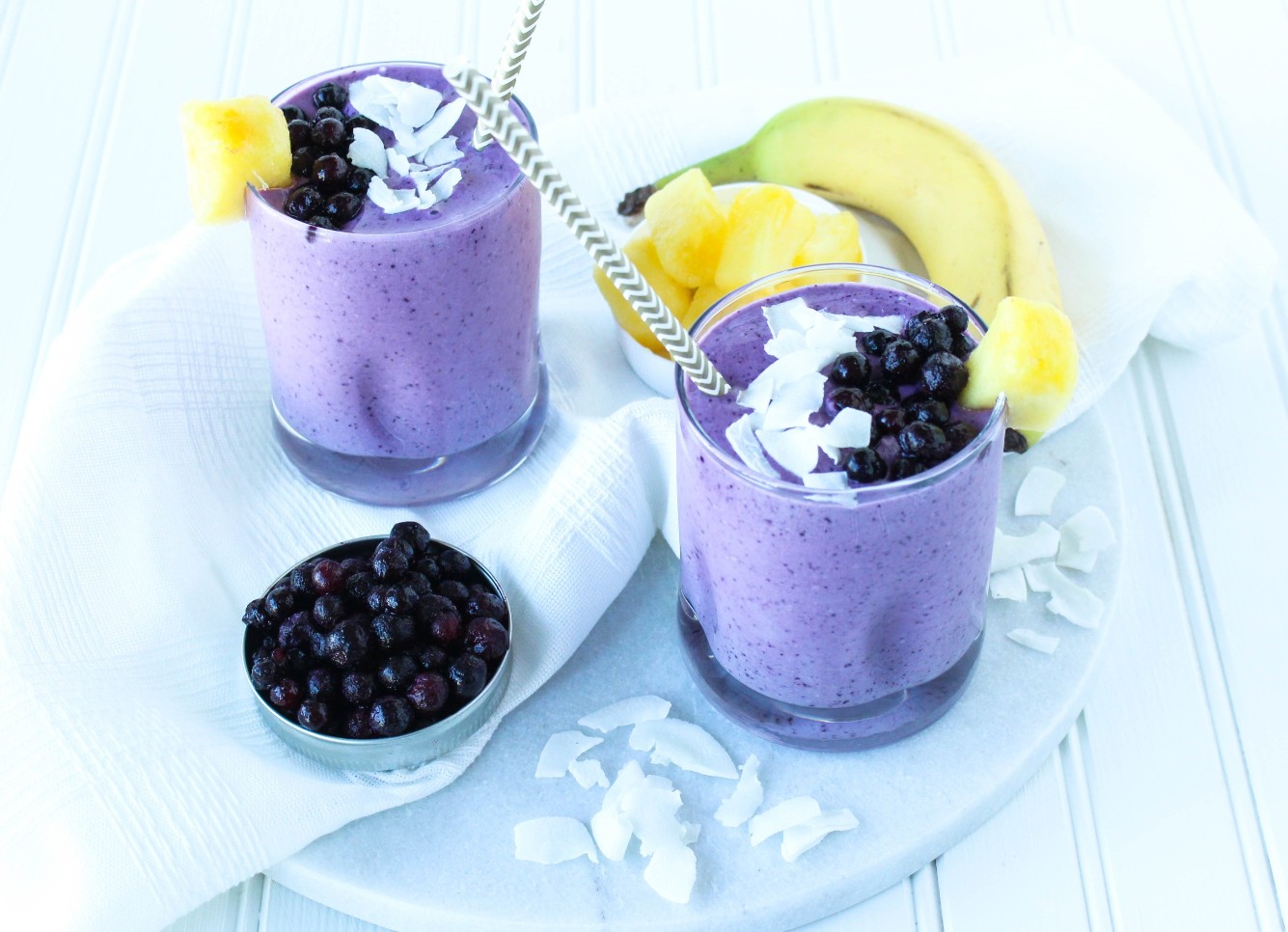
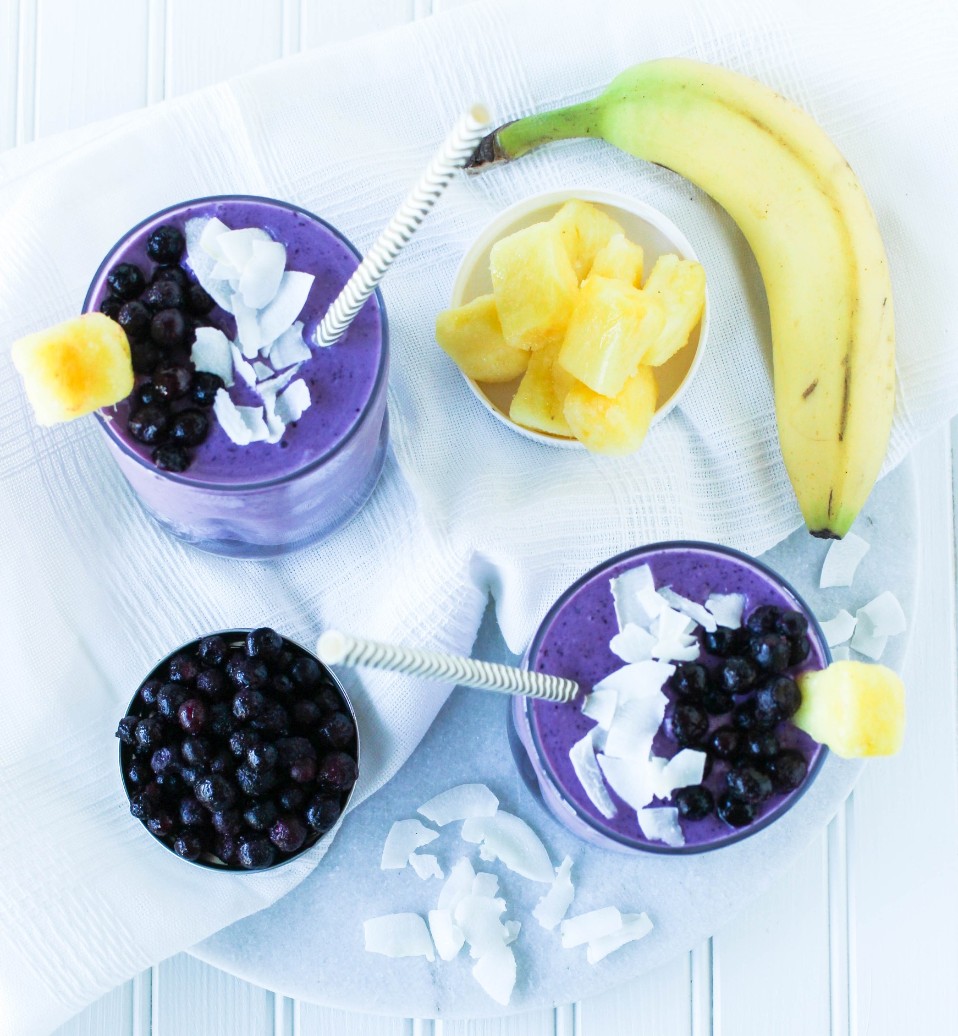
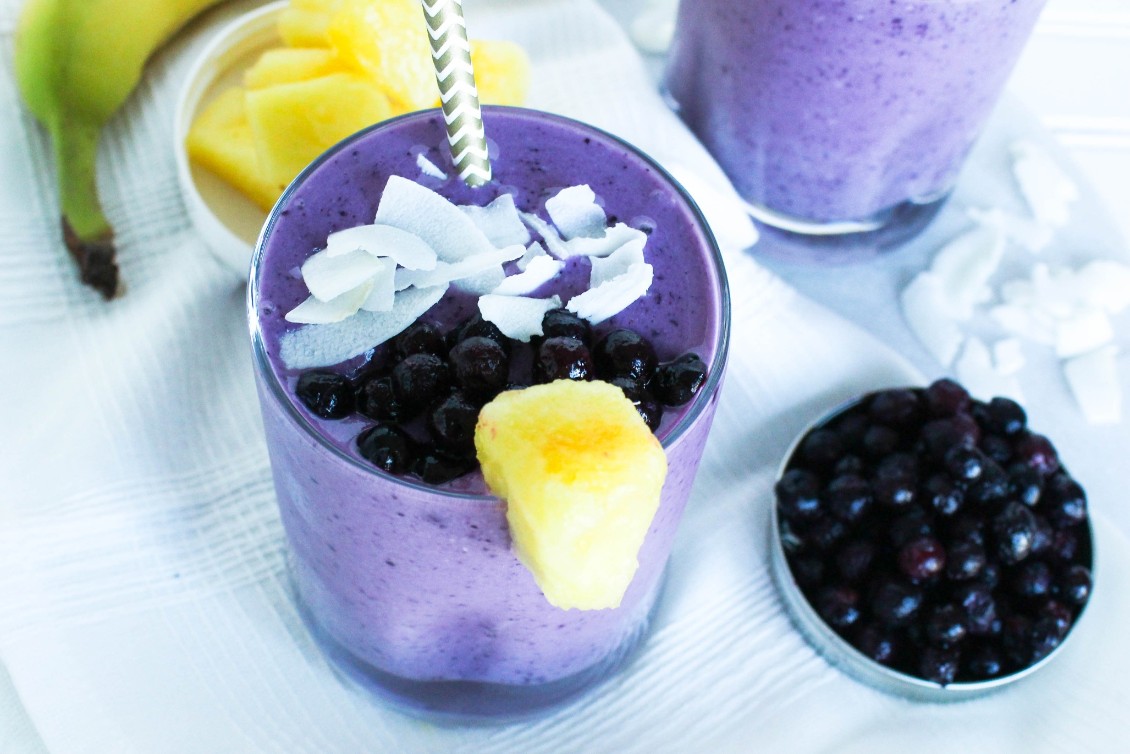
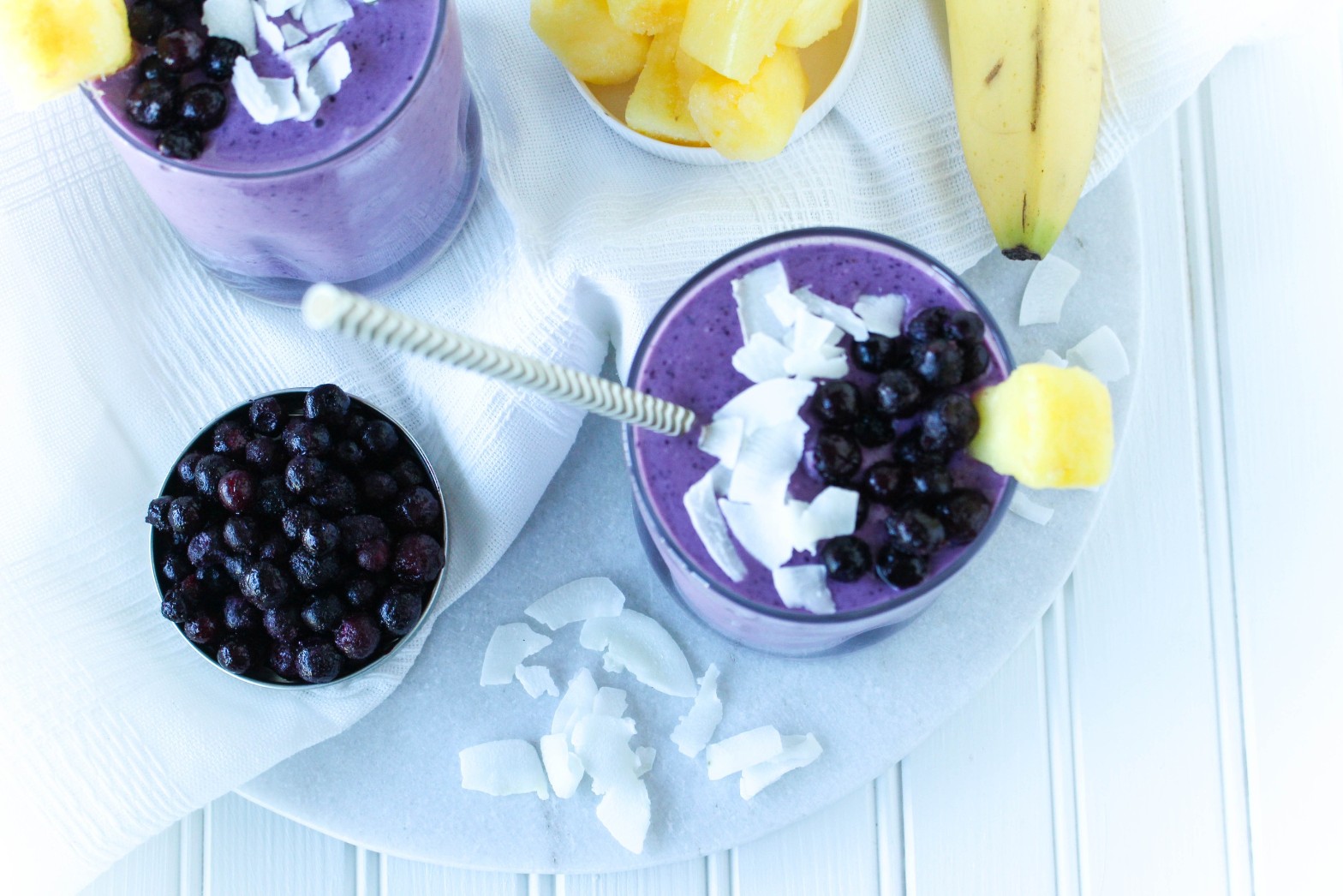
Tropical Wild Blueberry Smoothie via RDelicious Kitchen @rdkitchenSadly, there were no tropical island trips planned in the near future, so I had to improvise. Instead I created a tropical wild blueberry smoothie.
You may think I’m contradicting myself for wanting to get away to a warm place and then make a cold smoothie, but smoothies are a staple in my kitchen year round, no matter what the temperature is. Why? Because smoothies are so easy to pack in a ton of nutrition with a variety of healthy foods coming from all food groups.
Plus, smoothies are so easy to customize with various combinations, so you’ll never get bored! I always like to experiment in the kitchen with new combinations and new ingredients. One new ingredient I tried in this smoothie recipe are wild blueberries. Wild Blueberries have twice (2x) the antioxidant capacity of larger cultivated blueberries. A growing body of research shows the potential health benefits of Wild Blueberries including gut health, diabetes, cancer and brain health.
Tropical Wild Blueberry Smoothie via RDelicious Kitchen @rdkitchen

Tropical Wild Blueberry Smoothie via RDelicious Kitchen @rdkitchenI often find that certain fruit flavors, like blueberries, get lost when getting mixed into a smoothie because other strong fruit flavors take over.
Wild blueberries are a little extra special than your regular cultivated blueberries. Wild blueberries have a more intense flavor than regular blueberries. Wild Blueberry plants grow wild and are genetically diverse with thousands of interlocking plants spreading naturally across fields called barrens. It’s this diversity that gives Wild Blueberries their complex and delicious flavor — an extraordinary mix of tart and sweet.
Tropical Wild Blueberry Smoothie via RDelicious Kitchen @rdkitchenSmoothie Tip: Use frozen fruit when making smoothies. This will chill the smoothie plus thicken it without using ice, which can water down the flavor.
The Wild Blueberry crop (99% of it) is frozen. These potent little berries are individually quick frozen (IQF) at harvest locking in their nutrition and taste. It’s nature’s pause button.

Print

clock clock iconcutlery cutlery iconflag flag iconfolder folder iconinstagram instagram iconpinterest pinterest iconfacebook facebook iconprint print iconsquares squares iconheart heart iconheart solid heart solid icon
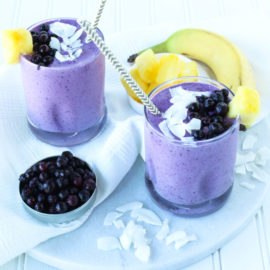
Tropical Wild Blueberry Smoothie in two short glasses

Tropical Wild Blueberry Smoothie

  • Author: Julie @ RDelicious Kitchen
  • Prep Time: 5 mins
  • Total Time: 5 mins
  • Yield: 2

Description

#WildYourSmoothie with a tropical twist


Ingredients

Scale
  • 1 banana
  • 1 cup frozen Wild Blueberries
  • 1/2 cup frozen pineapple
  • 2 tablespoons unsweetened coconut flakes
  • 2 tablespoons flaxseed
  • 1/2 cup cottage cheese
  • 1 cup unsweetened coconut milk (or milk of your choice)

Instructions

  1. Simply add the banana, wild blueberries, pineapple, coconut flakes, flaxseed, cottage cheese, and coconut milk in to a blender. Blend until smooth.
  2. For a thicker consistency, add ice. For a thinner consistency, add water.
  3. Top with additional wild blueberries, coconut, or pineapple.

Recipe Card powered byTasty Recipes

Thank you Kara Lydon, on behalf of the Wild Blueberry Association of North America, inviting me to participate in a smoothie recipe contest for dietitians and healthy living bloggers.
Check out all of the #RDapproved wild blueberry smoothie creations using #WildYourSmoothie.  Or you can head on over to the Wild Blueberry Association’s website and follow them on Facebook, Twitter, Instagram, and Pinterest to discover even more Wild Blueberry recipes.
Signature

National Nutrition Month

Happy National Nutrition Month! Tune in all month for nutrition themed posts including: steps to becoming a RD, my personal journey to becoming a RD, featured RDs sharing their stories, plus nutritious recipes and more!

National Nutrition Month #rdchat

National Nutrition Month is a nutrition education and information campaign created annually in March by the Academy of Nutrition and Dietetics. The campaign focuses attention on the importance of making informed food choices and developing sound eating and physical activity habits. The theme for 2015 is “Bite into a Healthy Lifestyle,” which encourages everyone to adopt eating and physical activity plans that are focused on consuming fewer calories, making informed food choices and getting daily exercise in order to achieve and maintain a healthy weight, reduce the risk of chronic disease and promote overall health. (source)

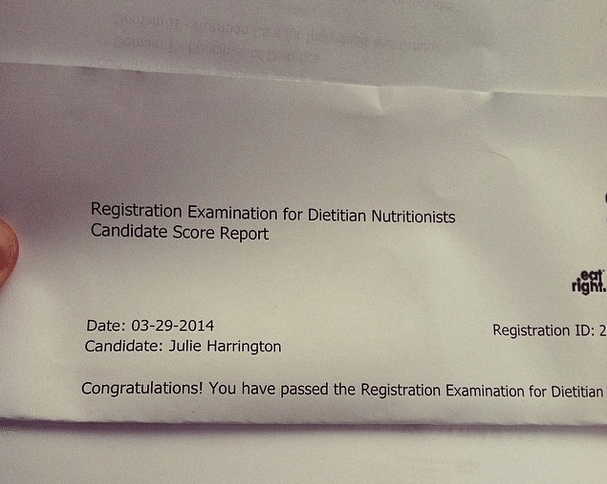
This year celebrating National Nutrition month is a little extra special. This is the first National Nutrition month I am celebrating as a Registered Dietitian! Time flies when you are having fun.

Passing RD exam #rdchat

This month I thought it would be a lot of fun to share my experiences of becoming a Registered Dietitian and feature other fellow RD’s as well.

Throughout my first year as a Registered Dietitian, I cannot even count the number of times I explained what the difference between a Registered Dietitian and a Nutritionist is.

The general populations is often confused about the difference between a “nutritionist” and a dietitian, but it is not accurate to use these terms interchangeably. Some registered dietitians (RDs) may refer to themselves as nutritionists, possibly to simplify things for someone less familiar with the term dietitian, but not all nutritionists are RDs.

What is the difference between a Registered Dietitian and a Nutritionist? #rdchat

The title nutritionist could be an array of different things. It is not a recognized credential and the definition can even vary from state to state. In certain cases, one may call themselves a nutritionist and may have some nutrition education and even obtained a bachelor’s degree in nutrition, but did not complete a dietetic internship and pass the RD exam. While others can still call themselves a nutritionist as well by taking a nutrition course without real pertinent education or training in the field of nutrition.

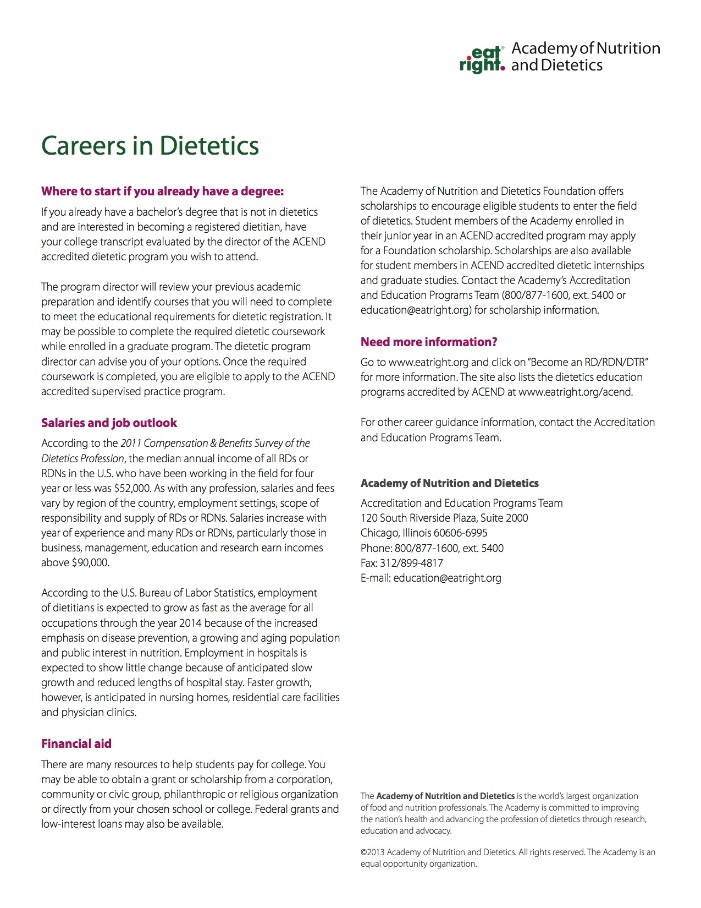
A Registered Dietitian has met specific academic requirements set forth by the Commission of Dietetic Registration (CDR) of the Academy of Nutrition and Dietetics (AND). The credential RD (registered dietitian) is nationally-recognized, legally protected, professional title and it can only be used by those who are authorized by the CDR.

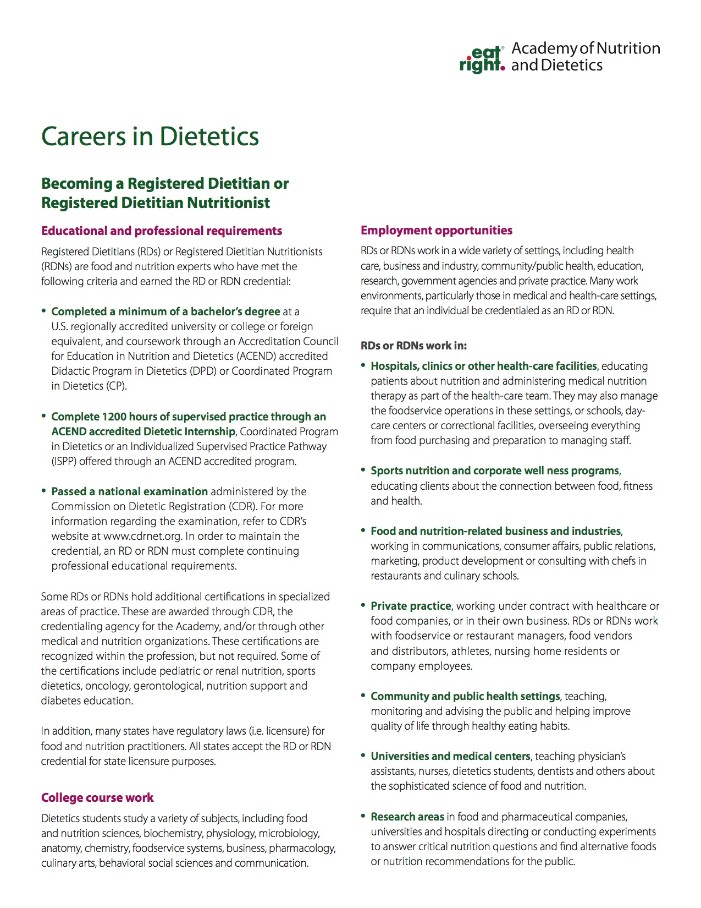
The Academy of Nutrition and Dietetics explains the process of becoming a RD in full detail. You can download the full PDF below.

Becoming-a-Registered-Dietitian via EatRight.org - Academy of Nutrition and Dietetics

Becoming-a-Registered-Dietitian via EatRight.org - Academy of Nutrition and Dietetics

(Download the PDF file)

Bottom Line: Registered Dietitians are the nutrition experts through their unique education and experiences with continuing education furthering their knowledge after passing the RD exam.

For the next couple of weeks, I will share my journey how I completed each step of becoming a Registered Dietitian. Stay tuned!

Want your story heard? E-mail [email protected] to be included in this series!

RDelicious Kitchen

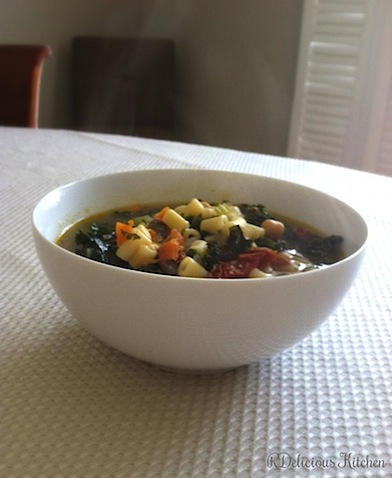
Hearty Vegetable Soup

Nothing is better than coming inside from a cold winter day and warming up with a hearty bowl of soup. Making soup from scratch is by far better than the canned stuff. Canned soups are packed with a ton of sodium. The recommended intake of sodium is < 2,400 mg per day. In some soups thats 75% of your sodium intake right there!
 
Making homemade soup is simple. Plus, if you make a big batch you can freeze half and bring it back out later in the winter season. Stick to the broth based soups with tons of vegetables for fewer calories and for a nutrient dense meal.

Minestrone soup RD1.jpg

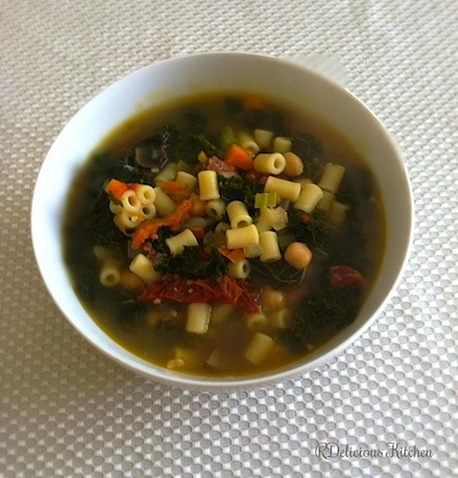
Hearty Vegetable Soup

Makes 12 servings


Ingredients:
4 strips bacon, diced
3 carrots, peeled and chopped into a small dice
4 celery stalks, chopped into a small dice
5 garlic cloves, finely chopped
2 medium red onions, chopped
Salt and pepper
1 cup cremini mushrooms, sliced
3/4 cup sundried tomatoes, sliced
2 quarts low sodium vegetable stock
2 quarts water
3 cups kale, roughly chopped
1 lb whole-wheat ditalini pasta
1 (15 oz) can chickpeas


Directions:

1. In a large stock pot over add the bacon and cook until crispy. Add the carrots, celery, garlic, and onions to the pot, season with salt and pepper, and cook until the veggies are tender, 7-8 minutes more.

2. Add the mushrooms, sundried tomatoes, and cook for another 2 minutes.

3. Add the stock and water to the pot, and bring up to a boil.

4. Add the kale, pasta, and chickpeas to the soup pot, and cook until the pasta is al dente. Season the soup with salt and pepper to taste.

5. Ladle the soup into shallow bowls.


Minestrone Soup RD2.jpg


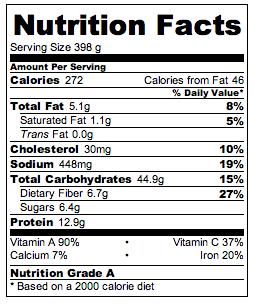
Screen shot 2013-12-16 at 11.13.29 PM.png
(nutrition facts based on calorie count)


Enjoy!