Happy National Nutrition Month! Tune in all month for nutrition themed posts including: steps to becoming a RD, my personal journey to becoming a RD, featured RDs sharing their stories, plus nutritious recipes and more!

National Nutrition Month is a nutrition education and information campaign created annually in March by the Academy of Nutrition and Dietetics. The campaign focuses attention on the importance of making informed food choices and developing sound eating and physical activity habits. The theme for 2015 is “Bite into a Healthy Lifestyle,” which encourages everyone to adopt eating and physical activity plans that are focused on consuming fewer calories, making informed food choices and getting daily exercise in order to achieve and maintain a healthy weight, reduce the risk of chronic disease and promote overall health. (source)
This year celebrating National Nutrition month is a little extra special. This is the first National Nutrition month I am celebrating as a Registered Dietitian! Time flies when you are having fun.
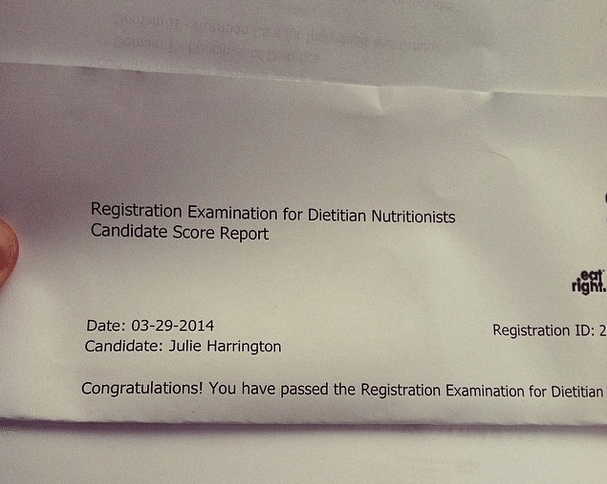
This month I thought it would be a lot of fun to share my experiences of becoming a Registered Dietitian and feature other fellow RD’s as well.
Throughout my first year as a Registered Dietitian, I cannot even count the number of times I explained what the difference between a Registered Dietitian and a Nutritionist is.
The general populations is often confused about the difference between a “nutritionist” and a dietitian, but it is not accurate to use these terms interchangeably. Some registered dietitians (RDs) may refer to themselves as nutritionists, possibly to simplify things for someone less familiar with the term dietitian, but not all nutritionists are RDs.
The title nutritionist could be an array of different things. It is not a recognized credential and the definition can even vary from state to state. In certain cases, one may call themselves a nutritionist and may have some nutrition education and even obtained a bachelor’s degree in nutrition, but did not complete a dietetic internship and pass the RD exam. While others can still call themselves a nutritionist as well by taking a nutrition course without real pertinent education or training in the field of nutrition.
A Registered Dietitian has met specific academic requirements set forth by the Commission of Dietetic Registration (CDR) of the Academy of Nutrition and Dietetics (AND). The credential RD (registered dietitian) is nationally-recognized, legally protected, professional title and it can only be used by those who are authorized by the CDR.
The Academy of Nutrition and Dietetics explains the process of becoming a RD in full detail. You can download the full PDF below.
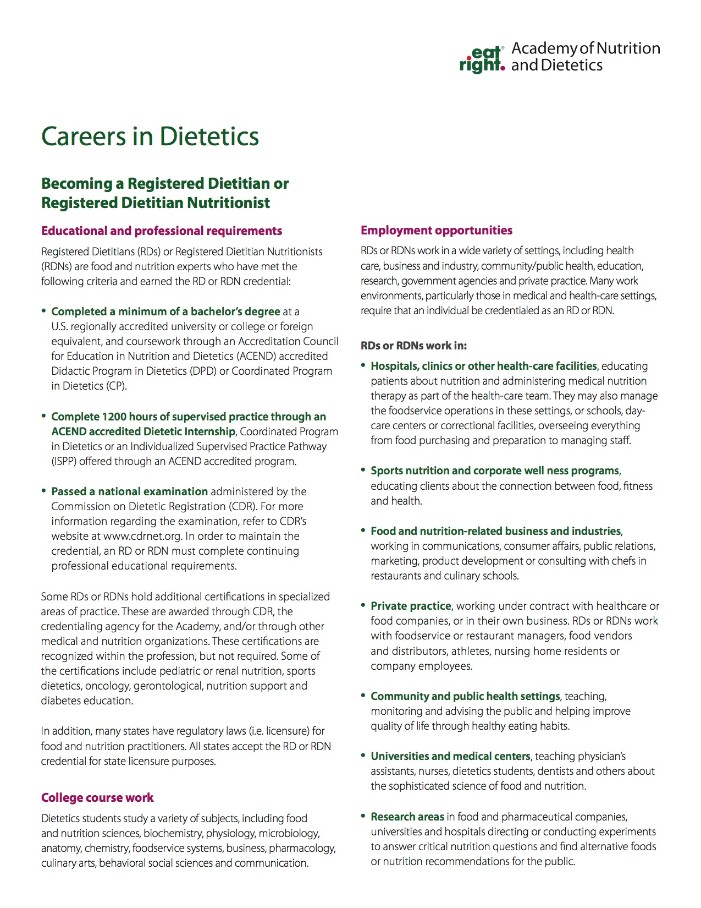
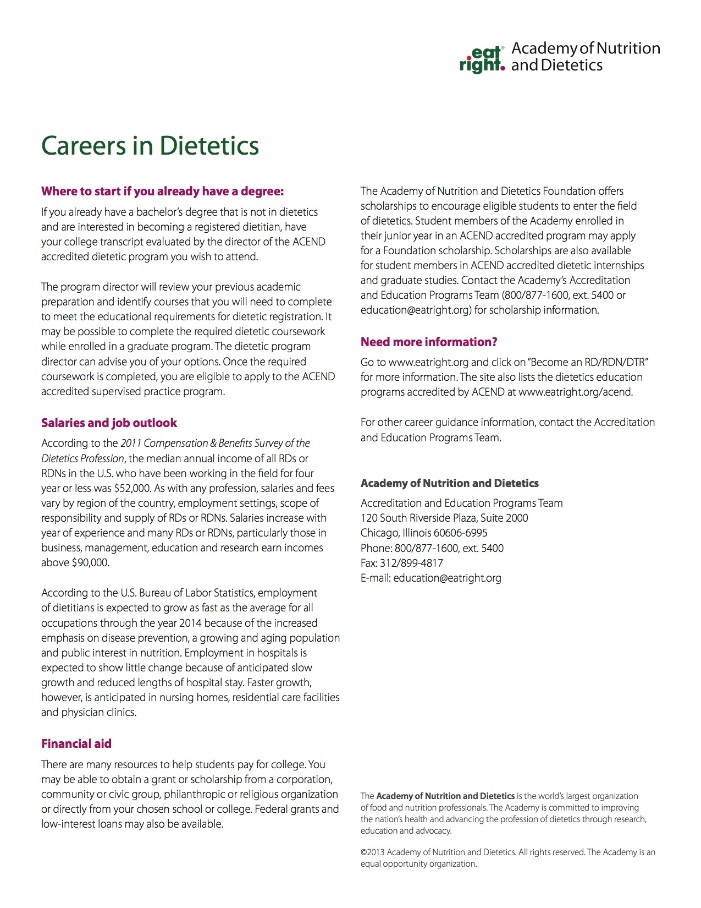
Bottom Line: Registered Dietitians are the nutrition experts through their unique education and experiences with continuing education furthering their knowledge after passing the RD exam.
For the next couple of weeks, I will share my journey how I completed each step of becoming a Registered Dietitian. Stay tuned!
Want your story heard? E-mail rdeliciouskitchen@gmail.com to be included in this series!